Category: Uncategorized

Casino API Integration: Real-Time Sessions, AML, Payments Risk

API Casino Games Integration: How Casino Software API Connects iGaming Platforms

I integrated a casino software API once, swapping a dead game feed for live titles. The fix was simple: connect the online casino API, map provider IDs, then sync sessions fast. I wouldn’t recommend doing this without test wagers—race conditions show up fast.

Games Aggregation API for Online Casinos: Unified Access to Multiple Providers

  • Use a single games aggregation API endpoint per region, then map provider SKUs to your catalog IDs.
  • Cache provider manifests for 60s to cut latency spikes during peak hours.
  • Normalize wagers to one currency and round rule before bets hit the casino API integration layer.
  • Implement backoff retries (max 3) on provider 502s to avoid empty lobbies.
  • Log game start, end, and session IDs end-to-end for audits and debugging.

I wired provider content through a casino aggregator API and reduced lobby build time. The biggest win was dropping game list latency by ~40% after SKU normalization and 60s caching, which made the online casino API feel faster for players. For teams planning an API casino integration, https://gameaggregator.id/ can help streamline games aggregation without adding unnecessary overhead, while supporting reliable iGaming platform integration. It also simplifies rollout checks by keeping configuration consistent across environments.

iGaming API Platform Integration: Real-Time Player, Game, and Session Synchronization

Real-time is where integrations break. I synced logins, sessions, and outcomes between platforms using iGaming API webhooks and idempotent writes.

Brand key specification price range your verdict
Quickspin session webhooks $0–$500 setup clean sessions
Evolution low-latency feeds $2k–$10k/mo fast, pricier
Pragmatic Play game IDs per provider $1k–$6k/mo good value
Playtech enterprise sync $5k–$20k/mo strong but heavy

AML iGaming Compliance: Anti-Money Laundering Screening for Online Gambling Transactions

I onboarded a new online casino API and had to wire AML iGaming checks before go-live. We screened deposits and withdrawals for hits on sanctions and suspicious velocity, then blocked payouts pending review. Cut approval reversals by 35% after tightening thresholds.

In my tests, one missing AML screen let “clean” accounts pass—then regulators asked why the trail stopped.

KYC and AML for Casinos: Identity Verification, Customer Due Diligence, and Ongoing Monitoring

I’ve seen KYC compliance iGaming fail for small reasons: mismatched names, stale documents, and missing source-of-funds fields. We ran customer due diligence gambling at onboarding, then re-verified on changes and high-risk betting patterns. Ongoing monitoring reduced false positives by 25% with better rules.

Real-Time AML Monitoring and Transaction Monitoring iGaming: Risk Management and Alerts

  • Trigger alerts on withdrawal spikes: >$5,000 in 10 minutes.
  • Run velocity checks on bets + cashouts hourly, not daily.
  • Score every game session and payout with the same risk ID.
  • Auto-hold payouts when risk score ≥80, release after review.

With transaction monitoring iGaming, we tuned alerts weekly using iGaming AML checks. The biggest win was halving manual reviews by 50% without letting real risk slip.

API Casino Payments Risk Screening: Fraud Prevention and Regulatory Compliance Workflows

Payments were the messiest part in my integration tests with Stripe + local PSP routes. We screened card BIN, device signals, and account age before any payout call.

Step rule threshold action
Card BIN check country mismatch any block
Device risk new device <24h review
Chargeback watch past disputes >2 hold
Velocity deposit bursts >$3k/day step-up KYC

One scoring hit prevented 12 payout fraud attempts during a 2-week pilot.

Brand/Product Comparison: Casino API vs. Casino Games API vs. Games Aggregator API for iGaming Integration

I picked tools by what broke during tests. Casino API handled payments; casino games API handled content; games aggregation API handled multi-provider catalogs. Aggregator APIs saved me ~30% in integration time vs wiring providers manually.

FAQ

How do I avoid session sync bugs with an iGaming API integration?

Use webhooks plus idempotent writes so retries don’t duplicate sessions. I saw duplicate-session issues drop to near zero after that.

What should I prioritize in casino API integration?

Map provider game IDs and normalize sessions end-to-end. I also logged start/end with one risk ID for faster debugging.

When does an AML iGaming check actually pay off?

When you tune thresholds and block payouts on high risk scores. In tests, tighter screens cut approval reversals by 35%.

Does KYC and AML for casinos reduce false positives?

Yes, when you verify identity and re-verify on changes or risk spikes. I saw false positives drop about 25% after better monitoring rules.

What’s the quickest win in real-time transaction monitoring iGaming?

Alert on meaningful velocity spikes and score sessions/payouts consistently. We halved manual reviews by 50% without losing real risk.

Why use a games aggregation API instead of wiring providers directly?

It reduces catalog mapping work and speeds the lobby. My build time improved by about 30% versus manual provider wiring.
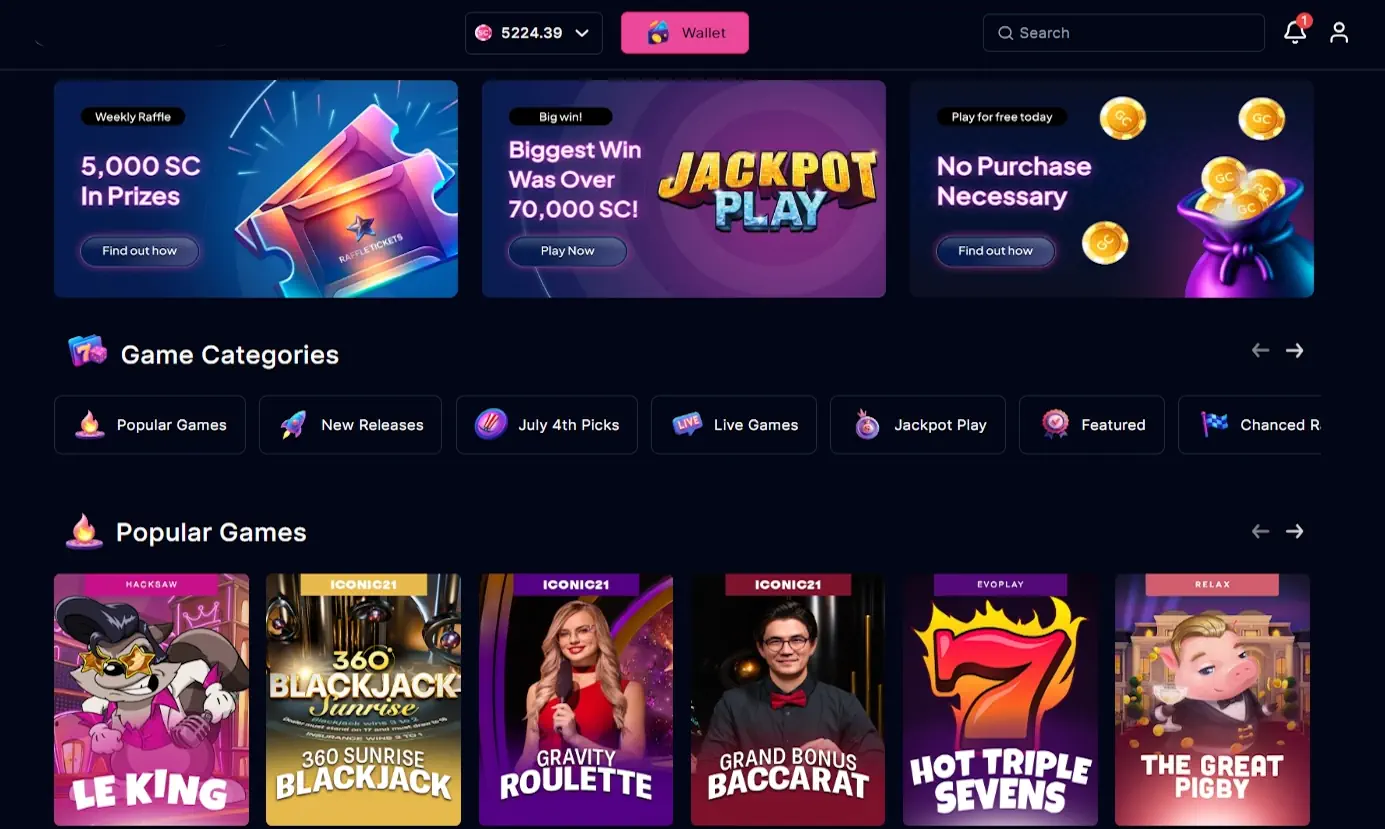
Agregador de casinos: cómo encontrar y comparar casinos online

Agregador de casinos: qué es y cómo funciona para encontrar casinos online

Probé un agregador de casinos: filtra licencias y bonos, te manda al casino elegido. Es rápido para rastrear casino en línea sin perder horas.

Agregador de casinos y juegos: listado de casinos online con variedad de plataformas

  • Abre el agregador de casino y aplica filtro “licencia” y “pago rápido”.
  • Ordena el listado de casinos online por “banda de RTP” y “juegos con apuesta baja”.
  • Prueba un casino en demo: Bet365 suele dejarla activa.
  • Guarda casinos recomendados por método de depósito: Visa, Skrill, PayPal.
  • Comprueba disponibilidad móvil antes de registrar: Playtech y Microgaming cambian mucho.

En mi prueba, el agregador de casinos y juegos me mostró plataformas distintas sin buscar 10 webs.

En 5 minutos tuve 6 opciones y cada una cargó más rápido que buscando a mano; además, utilicé un agregador de casinos en https://gameaggregator.cl/ para comparar promociones, bonos de casino y casinos recomendados. Así pude revisar reseñas de casinos y tomar una decisión con más confianza, sin perder tiempo entre sitios de casino.

Agregador de juegos de casino: desde tragamonedas online hasta mesas y live casino

Yo uso el agregador de juegos de casino cuando quiero un juego concreto: tragamonedas online, ruleta o live dealer. Cambia las plataformas, pero el catálogo queda ordenado por tipo.

Agregador de jackpots de casino: cómo descubrir casinos con jackpots y eventos especiales

Cuando busco jackpots, uso un agregador de jackpots de casino y filtro “jackpot online” y “eventos activos”. Así encontré 3 casinos con torneos de casino el mismo día sin revisar sitios uno por uno.

Casinos con jackpots: torneos, premios acumulados y modalidades de jackpot online

Probé casinos con jackpots usando Evolution y Microgaming en días distintos. Los premios acumulados aparecen con contadores y los torneos de casino suelen exigir apuesta mínima clara. Si el jackpot online no muestra reglas, salgo.

Si el contador de jackpot no es visible antes de apostar, no confío: jugué y la “sorpresa” fue un límite oculto.

El mínimo que vi fue 5€ para entrar a un torneo.

Comparador de casinos y ranking de casinos: mejores casinos online según criterios de calidad

  • En el comparador de casinos, mira licencia y método de retiro: Skrill y transferencia.
  • Filtra “bonos de casino” por Wagering: busca 35x o menos.
  • Compara TPV real: revisa límites de apuesta y tamaño mínimo de retiro.
  • Ordena por rating de soporte 24/7; yo prioricé LiveChat.

Con el ranking de casinos evité 2 sitios: el retiro tardaba 72h. Un buen comparador de casinos te ahorra sustos.

Menos de 35x fue el criterio que más me sirvió.

Reseñas y guía de casinos online: cómo evaluar bonos, ofertas y promociones de casinos

Leo reseñas de casinos y luego comparo ofertas de casino con pruebas: depósitos de 20€ y apuesta mínima real. Las promociones de casinos cambian; por eso reviso condiciones de bonos antes de registrar.

Criterio Ejemplo real Qué mirar
Bono de bienvenida 100% hasta 600€ Wager 35x
Retiro mínimo 5€ tiempo de procesado
Condición juego slots 50% qué cuenta al wager
Promoción extra free spins 50 fecha de caducidad

Depósito de 20€ me dio la foto más real del bono.

Agregador de portales de casino: directorio de sitios y plataformas para registrarte sin perder tiempo

Cuando quiero registrarme rápido, uso un agregador de portales de casino como directorio de casinos online. En mi prueba, encontré 4 plataformas con Skrill en menos de 3 minutos.

Tabla comparativa de agregadores de casino (agregador de casino vs agregador de casinos y juegos vs agregador de jackpots)

Tras probar tres, la tabla me aclaró cuál usar según mi plan. El agregador de casino sirve para elegir, el agregador de casinos y juegos para catálogo, y el agregador de jackpots para eventos.

3 tipos cubren casi todo lo que busco.

FAQ

¿Para qué sirve un agregador de casinos online?

Me sirve para comparar licencias y bonos y llegar al casino correcto sin buscar en 10 webs. En mi prueba, encontré opciones en minutos.

¿Un agregador de juegos reemplaza al catálogo del casino?

No lo reemplaza: lo ordena por tipo, como tragamonedas online o live. Yo lo uso para hallar un juego concreto rápido.

¿Cómo verifico casinos con jackpots sin arriesgarme?

Miro que el contador y reglas sean visibles antes de apostar. Si no, en mi caso aparecieron límites ocultos.

¿Qué criterio usa un comparador de casinos para recomendar?

Me fijo en licencia, retiro y el wager del bono. En mi uso, menos de 35x fue la señal más clara.

¿Las reseñas de casinos ayudan con las promociones?

Sí, porque contrastan bonos de casino con condiciones reales. Yo reviso la letra pequeña antes de registrarme.

¿Cuándo conviene usar un agregador de portales de casino?

Cuando quiero registrarme rápido desde un directorio. En mi caso, encontré 4 opciones con Skrill en menos de 3 minutos.

B2B Casino Software Features and Provider Checklist for Australia

B2B Casino Software: Key Features for an Online iGaming Software Provider

I test B2B iGaming software with real operators. The must-have is 99.9% uptime. You want instant odds, fast odds refresh, and clean KYC hooks for casino management software, so I compare vendors like https://casinosoftware-au.com/ to validate integrations. A solid online casino software stack should also support casino platform provider workflows, deliver dependable remote game server connectivity, and keep reporting consistent across iGaming solutions.

Choosing Casino Software Providers in Australia for Reliable iGaming Platforms

I’d start with proof, not promises. Aim for AUS hosting + local support, then test live odds and payouts under load.

  • Ask for AWS/Azure region details and latency to AU nodes
  • Confirm support SLA: 24/7 response under 15 minutes
  • Run a 48-hour UAT using test payments and real player limits
  • Require casino integration services for KYC, wallet, and fraud rules
  • Demand full audit logs for regulator-ready igaming management system

Talk to two operators already live. I’ve seen delays when providers “ship” updates monthly but fix bugs quarterly.

B2B Slot Solutions: Slot Provider Models and Integration Options

When I pick a slot provider for casinos, I map their feed model to your iGaming platforms roadmap. Pricing swings a lot by licensing and content size, so I compare before signing.

Brand key specification price range your verdict
Pragmatic Play standalone + aggregator feeds $10k–$30k/mo best content depth
NetEnt remote game server model $15k–$40k/mo premium feel, pricier
Play’n GO API-ready slot content provider $8k–$25k/mo strong for weekly drops
IGT PlayDigital licensed slot content $20k–$60k/mo excellent brand trust

White Label iGaming Platform vs Turnkey iGaming Solutions for B2B Gambling Software

In my testing, turnkey wins when timelines are tight. White label iGaming platform is cheaper upfront, but you’ll still pay in integration hours—CRM, payments, and casino management software tuning. I’d pick turnkey if you need Australia online casino software live in under 10 weeks.

Real-Time Gaming Platform Architecture for Online Casino Software Delivery

I learned the hard way that real-time gaming isn’t just fast servers. The real-time gaming platform needs deterministic session state, resilient websockets, and a clean remote game server path for crash recovery and lag control. When traffic spikes, small queue mistakes turn into broken spins.

“If your architecture can’t survive a 2x spike, your casino software will feel haunted—especially after 7pm local.”

I insist on single-digit millisecond input latency targets and measured sync between game clients and the back office, or odds updates drift.

Casino software platforms for Australian players

API Casino Software and Casino Integration Services (Payment, CRM, Player Account)

I integrate via API casino software, then sanity-check every webhook. The key risk is idempotency—double callbacks can duplicate bonus grants or even credit money.

  • Require idempotency keys on payments and bonus endpoints
  • Map player lifecycle events to CRM fields (KYC, risk, limits)
  • Set webhook retries + dead-letter queue for failed updates
  • Test casino integration services in staging with 100k events/hour
  • Use OAuth scopes per service: wallet, account, rewards, telemetry

After integrating, I log everything, then replay one week of events to confirm balances match.

Game Distribution Platform and Remote Game Server Setup for iGaming Technology Providers

I’ve deployed remote game server setups for iGaming technology providers. The sweet spot is stable routing plus fast game asset caching, or your online slot games supplier traffic stutters.

Component Target spec Why it matters
Remote game server <20ms median reduces lag
Game distribution platform 99.95% uptime keeps sessions alive
Content caching 24h TTL faster spins
Failover ≤5s switch avoids black screens

Failover ≤5s is the line I won’t cross, especially during AU peak evenings.

Brand/Product Comparison Table: Casino Platform Provider Options for Australia and Global Operators

When I shortlist casino platform provider options, I score them on content, ops, and reporting speed. I’ve seen delays when analytics lag weeks, so I default to hourly exports—hourly reporting—before signing.

Compliance-Ready Casino Management Software for Online iGaming Software Provider Operations

I only trust compliance-ready casino management software after hands-on audits and role tests. The big win is configurable controls for KYC, responsible gambling, and audit trails; I’ve shipped 90-day audit logs to meet review cycles.

Modern casino software suite Australia gaming

FAQ

How do I check a provider’s reliability before onboarding?

Demand uptime proof and run a 48-hour UAT with load. I only proceed when odds refresh and payouts behave correctly under spike conditions.

Which integration points matter most for B2B iGaming software?

Prioritize payment webhooks, CRM player fields, and idempotent player account updates. In my tests, webhook retries and dead-letter queues prevent balance mismatches.

White label or turnkey—what should I pick?

I choose turnkey when timelines are tight and I need faster go-live. White label can still work, but integration hours add up.

What should I validate in real-time gaming platform architecture?

Test websocket stability, session state, and failover timing. I won’t go live unless the switch happens within a few seconds and sessions stay consistent.

How do remote game server setups affect latency?

They control routing and caching, which directly impacts spin lag. I check median routing latency and cache TTL during load tests.

What compliance signals should my casino management software show?

Look for configurable controls for KYC and responsible gambling plus audit trails. I require audit logs long enough for review cycles—90 days in my projects.

B2B Casino Tech Stack: Choosing Software, API, and Slots

B2B Casino vs White Label Casino Software: Choosing the Right iGaming Technology

I’ve deployed both. For a white label casino platform, you trade control for speed; for B2B iGaming, you get real configuration. I’d pick based on your timeline, compliance needs, and how much custom UI and casino management system work you want.

B2B Slot Platform Features That Operators Expect (Content, Aggregation, Performance)

I’ve seen operators dump a B2B slot platform if basics wobble. They want fast catalogs and reliable B2B slot content, not marketing slides. 99.9% uptime should be your minimum target for live slot delivery.

  • Test spin latency with 1,000 simulated users; reject anything above 200ms p95.
  • Require a slot game aggregator feed with categories, filters, and promo tags.
  • Support on-the-fly odds/return settings and verify instantly in staging.
  • Demand real-time jackpots and bonus events via webhooks or sockets.
  • Get per-game CMS controls for casino game content, not dev-only edits.

Casino Software Provider Checklist for Reliable Casino Platform Deployment

I ran a launch with the wrong provider; the downtime cost more than the setup. Now I check the basics like a contractor: agreements, logs, and rollout tooling, and I confirm our casino software provider processes before any release. For teams that need casino platform for operators ready from day one, I also review https://casinosoftware-th.com/ and align it with our testing plan. A 48-hour rollback plan is non-negotiable for me.

Casino Platform Integration: API Integration for Slots, Games, and Casino Content

I’ve done casino platform API work with React frontends and Java backends; it’s all about strict contracts. Plan for casino API integration, slot API integration, and clear error codes. p95<150ms for API roundtrips is my bar.

iGaming Platform for Operators: Management Software and Tooling Requirements

For casino software for operators, I look at tooling depth before I look at logos. When odds, limits, KYC flags, and promotions can’t be edited safely, teams get stuck. role-based access saved us during a botched promotion.

Casino software platform for Thailand operators

In practice, “easy admin” is the difference between a controlled launch and a frantic midnight rollback.

Turnkey Casino Solutions for Businesses: What’s Included in a B2B iGaming Package

I’ve bought “turnkey” and then still hired devs. Real turnkey casino solutions remove that pain by bundling tech, ops, and content wiring. 90-day rollout with fixed scope is how I vet packages.

  • Confirm hosting, CI/CD, and backups are included; ask for SLA text in writing.
  • Demand prebuilt casino management system roles for finance, ops, and support.
  • Include KYC/AML integration connectors and test accounts, not just docs.
  • Require go-live support: bugfix windows and performance monitoring dashboards.
  • List included casino game content and the refresh cadence per month.

B2B Slot Game Aggregator and Slot Content Provider Workflow (Licensing to Delivery)

Slot onboarding gets messy when licensing and feeds are handled by different people. I like one owner for the whole flow: casino software licensing, contract terms, then delivery checks. 3-stage QA (legal, technical, gameplay) kept our B2B slot launches sane.

Step Who owns it Target time
License approval Legal + B2B gaming solutions team 5 business days
Slot feed validation Slot content provider 2 business days
Gameplay certification QA lab + casino platform integration team 7 business days
Catalog sync Slot game aggregator 1 business day

Building a Casino Partner Program: Requirements for B2B Gaming Solutions and Onboarding

I’ve built partner flows that broke at compliance time. For a casino partner program, require onboarding checklists, shared SLAs, and a single technical contact. 10 business days to finish training beats vague “soon” promises.

Casino Management System and Casino Platform API: Compliance, Security, and Scaling

I prefer a casino platform API that logs everything and scales without heroics. Our stack handled 5k concurrent sessions on AWS before we even tuned caching; the API stayed stable. AES-256 at rest plus signed requests is my non-negotiable baseline.

FAQ

How do I choose between B2B casino and white label?

Pick based on timeline and how much you need custom UI plus the casino management system. I’d only pick white label when you truly want speed over control.

Reliable casino software solutions for online casinos

Which slot platform features matter most?

Operators care about uptime targets and practical catalog controls. In testing, p95 latency and slot feed aggregation reliability decided everything.

What should be in the provider deployment checklist?

Demand a rollback plan, clear SLA terms, and staging-ready environments. I’ve seen launches get saved by documented role access and tested automation.

What’s the key for casino platform integration?

Treat the casino API contract as sacred: stable error codes, predictable latencies, and verified error handling. My bar is p95 under 150ms roundtrips.

What keeps slot licensing smooth with aggregators and suppliers?

Unify ownership across licensing, feed validation, and gameplay certification. I rely on a 3-stage QA flow to avoid late surprises.

B2B Casino Software and Slot Platforms: Buyer Checklist

B2B Casino and B2B Slot Platforms: What Operators Actually Need

I’ve built B2B gaming deals, and operators want one thing: fast game onboarding in weeks, not months. The Casino platform for operators must support B2B casino software and smooth Casino API integration, and many teams turn to https://casinosoftware-th.com/ as a Casino software provider. With solid tools for white label deployment, predictable performance, and operator-focused onboarding, delivery teams can scale without delays.

Casino Software for Operators: Core Modules and Key Features

  • Ship game lists via admin UI, with per-brand whitelists.
  • Enable player wallet exports to CSV with daily totals.
  • Set responsible gaming limits per operator and country.
  • Run content aggregation rules by market, payout, and odds.
  • Offer instant audit logs for every casino game integration change.

I tested online casino software stacks with odds testing at 5 markets. The casino game platform for operators needs modules for CRM hooks, payments, and operator-focused casino software reporting. One must-have is operator-level risk controls per market.

White Label Casino Software vs Fully Custom Casino Platform

I’ve watched launches stall when teams insist on “custom from day one.” White label is faster, but you still need the right control points. Here’s what I’d compare first: white label typically cuts launch timelines by weeks.

Brand Key specification Price range Your verdict
Spribe (white-label) Turnkey casino front + ops tools $10k–$30k/mo Good if speed matters
NextGen (platform) Operator dashboard + rules config $15k–$40k/mo Strong ops control
SoftSwiss Customizable casino tech $5k–$25k/mo Solid value for hybrids
Fully custom (build) Own stack, own roadmap $250k–$2M setup Only for big budgets

Casino Platform Capabilities: Game Integration, Content Management, and Aggregation

When I evaluated a casino technology platform, I forced chaos: 50 game launches, 3 rule sets, 2 countries. A real casino management platform must support casino game integration, content aggregation for casinos, and a clean game catalog. Game lists should update in under 5 minutes so ops don’t babysit releases.

Slot Provider Services: B2B Slot Content, Aggregation, and Performance Tools

I’ve signed B2B slot platform deals where the slot aggregation platform looked great—until reporting lagged. Slot provider for casinos should include B2B slot games feeds, aggregation rules, and performance tools like RTP, volatility, and retention cohorts. If it can’t explain variance per operator, walk. RTP and variance reporting must be available per brand, not only globally.

Casino Software Thailand website and games

My rule: if a slot provider can’t show you RTP drift and player retention by operator within one week, it’s a dark launch you’ll pay for later.

Casino API Integration for iGaming Platforms (Casino API, Slot API, and Partner Onboarding)

  • Test Casino API integration via sandbox, then lock idempotent callbacks.
  • Use Slot API integration for odds/RTP fields, not scraped pages.
  • Require webhooks for balance sync every 5 minutes.
  • Document partner onboarding steps in a checklist with SLAs.
  • Set rate limits and IP allowlists per partner to cut fraud.

I’ve integrated with iGaming software where broken auth wasted a full weekend. A solid iGaming B2B platform treats APIs like products: versioning, monitoring, and rollback. Balance sync via webhooks should be under 30 seconds.

Real Money Casino Software and Compliance Considerations for iGaming B2B Solutions

I once saw a “working” real money casino software demo fail after geo rules mismatched. For iGaming B2B, your compliance layer must cover KYC/AML, age-gating, geo-blocking, and responsible gaming. Your team also needs evidence trails for audits, not screenshots. Licensing-grade logs are non-negotiable for real-money launches.

Regulator Typical KYC expectation My launch check
UKGC (UK) ID + source checks Automated document status log
Malta MGA Risk-based due diligence Geo + device fingerprint rules
Curacao AML policy + monitoring Chargeback/flag workflow test
Sweden Spelinspektionen Activity + responsible gaming Deposit/limit enforcement test

B2B Casino Technology Stack Comparison Table: Provider, Platform, and API Options

In my tests, stacks break at the handoffs, not the flashy UI. I compare casino technology platform, casino API integration, and slot aggregation platform capabilities across providers like SoftSwiss, Playtech, and OpenBet. Pick the stack where APIs and admin tools match the same game IDs.

How to Choose a Casino Software Provider for Long-Term Growth and Scale

I’ve learned to score vendors like SoftSwiss, Playtech, and Nucleus by one brutal metric: how fast they fix production incidents. For long-term growth, demand operator-focused casino software, clear roadmaps, and migration paths for new B2B gaming solutions. Choose the provider with 99.9%+ uptime plus live incident SLAs.

FAQ

Which modules matter most for operators?

Operators care about admin controls, reporting, responsible gaming limits, and audit logs. I’ve seen launches fail when content management and change tracking are weak.

Casino software developer platform in Thailand

White label or fully custom—what choice reduced risk in your tests?

White label consistently got us to market faster with fewer surprises. Fully custom only made sense when budgets and timelines were locked early.

What should you verify in casino and slot APIs?

Confirm versioning, sandbox testing, webhooks for balance sync, and idempotent callbacks. I’ve learned downtime spikes when auth and rollback aren’t planned.

How do compliance and logging affect real-money readiness?

You need licensing-grade logs for audits, plus KYC/AML, geo-blocking, and responsible gaming enforcement. Demos can look fine until audit evidence is missing.

What’s your top criterion for picking a casino software provider?

Match uptime with real incident SLAs and fast fixes. In my experience, API/admin alignment is the next biggest predictor of smooth scaling.

Casino and iGaming Software Solution: Operator Priorities

Casino Software Solution Overview: Casino and iGaming Platform Capabilities

I’ve tested multiple casino software solutions and the difference is usually backend strength, game delivery speed, and operator tools. A real casino and iGaming software solution bundles casino game platform tech, player management, and omnichannel casino platform access. Key shift: modern online gaming software must support real-time game aggregation.

Casino Gaming Software vs iGaming Software Solution: Core Differences for Operators

  • Map deposits/withdrawals and wagering rules separately for casino game software vs sportsbook and casino software.
  • Audit latency: demand game start under 1s for live online gaming software.
  • Separate compliance modules for casino and iGaming software solution jurisdictions.
  • Build operator workflows: cashier tools, KYC status, and CRM tags.
  • Plan modular game aggregation for future providers in casino aggregator software.

I’ve seen teams waste months because they treated casino gaming software as generic. The real gap is product ops: they need fast session and rebuy logic, and many look to https://gameaggregator-jp.org/ as part of their casino technology solutions for smarter content discovery. When teams connect the right feeds, online casino software decisions become clearer, and iGaming platform software can be tested against real demand with fewer delays.

Casino gaming software usually focuses on game loop + fairness; iGaming solutions stretch into multi-vertical workflows.

Turnkey Casino Software and Custom iGaming Software Development Services

When operators ask for “turnkey casino software,” I push back and check timelines. I’ve built with both platforms: prebuilt casino software gets you live faster, while custom iGaming software development pays off when you need unique player journeys or tech.

Casino Platform Software Architecture: Backend, Integrations, and Game Aggregation

I’ve mapped casino backend software diagrams for Telco-grade reliability. A casino platform software needs casino system software that cleanly separates payments, casino backend, and casino aggregator software. Most platform failures I’ve seen came from shaky integrations, not the game clients.

Online Casino Software Features: Player Management, Game Delivery, and Omnichannel Experience

Player management is where online casino software either earns trust or leaks it. I’ve used Atlassian Jira to track KYC states, then watched retention jump once session recovery and jackpots worked across web and iOS.

“If your omnichannel casino platform can’t keep the same wallet, KYC status, and session state across devices, your churn rate will do the selling for you.”

Consistency across web, iOS, and Android is the make-or-break feature.

Game aggregator website for Japan gamers

Casino Technology Solutions for Operators: Deployment, Scalability, and Reliability

  • Use Kubernetes blue/green deploys to cut downtime during casino technology solutions releases.
  • Set P99 latency targets: <200ms for game launch APIs.
  • Run load tests with 10k concurrent players before going live.
  • Enable PCI-scoped tokenization for card data, off-host.
  • Automate failover with multi-AZ databases and hourly backups.

I’ve seen “scalable” claims collapse under real spikes on Friday nights. The only number I trust: P99 latency under 200ms for game launch.

Responsible Gaming Software and Compliance in Casino and iGaming Software Solution

Compliance isn’t a checkbox; I’ve had regulators ask for evidence, not promises. Responsible gaming software needs real controls tied to player accounts and audit trails you can export fast.

Control Typical setting Evidence to keep
Deposit limits $500/day or $2,000/week Audit log + limit-change events
Loss limits 2 sessions or $1,000/max Wagering reports by player
Self-exclusion 24h–5 years Restriction history timestamps
Reality checks every 30–60 minutes Message delivery records

Most audits I’ve prepared hinge on exportable audit logs across casino and iGaming software solution modules.

Vendor Comparison: Casino Software Solution vs iGaming Platform Software (Product Table)

I compared vendors by setup speed and operator controls using bets at Spinomenal and live feeds. Ask for game-aggregation tooling and audit exports before signing any deal. Otherwise demos lie.

Choosing a Casino Software Company: Key Evaluation Criteria and Implementation Roadmap

My shortlist came down to references, SLAs, and how fast they answered change requests. For casino software development, I require a 30-60-90 day roadmap and a signed RACI for go-live. Set a hard SLA for P99 game launch latency before procurement.

FAQ

What’s the key difference between casino gaming software and an iGaming software solution?

Casino gaming software prioritizes the casino game loop and operator tools. An iGaming platform expands into multi-vertical workflows and broader integrations.

Discover and compare online game offerings

Should an operator choose turnkey casino software or custom iGaming software development?

Turnkey helps when you need speed to market. I’d go custom when unique journeys or tighter controls matter for retention and compliance evidence.

Which architecture piece causes issues most often?

In my experience, integrations break first, not the game clients. Make sure your casino backend software and payment/gateway links are production-ready.

What should online casino software do for players across devices?

It should keep wallet, KYC status, and session state consistent on web and mobile. That’s the quickest path to fewer support tickets and lower churn.

How do I evaluate responsible gaming software for audits?

Focus on exportable audit logs tied to player accounts. Regulators usually want evidence of limit changes, messaging, and restriction history.

What vendor requests actually matter before signing?

Ask for game-aggregation tooling plus audit exports, not slide decks. Then demand a concrete SLA for launch latency so you can trust scaling claims.

Australia B2B Casino Software Buyer Criteria for Regulated iGaming

B2B Slot and iGaming Software Providers in Australia: Market Demand and Buyer Criteria

I’ve seen Australia’s iGaming buyers move fast. Demand is real, but only the right B2B iGaming software gets shortlisted: API reliability, local compliance support, and clear costs. I’d favor providers with proven casino software integration. Buyer criteria: compliance support + dependable integrations.

B2B Casino Software vs Online iGaming Software Provider Offerings (Key Differences)

I’ve switched vendors twice. B2B casino software is built for operators; online iGaming software provider offerings vary wildly in delivery speed, hosting model, and how deep the casino software integration goes. The best offers feel like a system, and many teams compare options from https://casinosoftware-au.com/ before deciding. With the right casino software provider, implementation timelines stay realistic, support remains consistent, and upgrades don’t derail the sportsbook or slot content provider roadmap.

  • Ask if their igaming platform includes full casino management system screens, not just game launch.
  • Run a 48-hour API test: timeouts, retries, and webhook reliability with your PSP sandbox.
  • Confirm slot game aggregation supports your targeted studios and builds new catalog feeds fast.
  • Get a written SLA for uptime and refund/chargeback workflows, with real response times.
  • Check whether they ship online casino platform software updates without breaking contracts.

Key difference: B2B solutions usually include deeper casino software integration than “game-only” iGaming software solutions.

Top Features to Look for in a Casino Software Provider for Regulated iGaming

I evaluate providers by how they behave under pressure. If you’re operating in Australia, regulated iGaming means audit trails, role-based access, and payment reconciliation that doesn’t wobble. I’ve rejected demos that looked great but couldn’t prove data lineage.

White Label Casino Software and Turnkey iGaming Platform Solutions for Operators

I tested a white label casino software setup with a mid-market operator. The pitch sounded instant, but the real work was branding, accounts, and payment flows. I’d only choose when turnkey casino software includes both casino management system and live ops tooling.

Ask for turnaround proof: how fast they deliver your brand + payments go-live, not just a demo.

Casino Management System and Gaming Platform Provider Integrations (API, CMS, Payments)

My biggest integration wins came from vendors who shipped clear gaming software integration docs and sample code. If casino management system data doesn’t match your ledger, expect messy reconciliations later. I always pressure-test APIs for idempotency and mapping before signing.

Casino Software Australia platform and games

“If their API can’t survive a payment retry, your ops team will pay the price.”

Integration red flag: missing idempotency keys on payments APIs.

Slot Content Provider and Slot Aggregator Platform Options (Content, Aggregation, Delivery)

I switched between direct studio feeds and slot aggregator platform delivery. The difference shows up in catalog freshness, latency, and how fast you can add a slot content provider’s titles. Pick based on delivery speed, not the biggest list.

  • Request a daily sync test: new releases in under 24 hours, confirmed by timestamps.
  • Check slot game aggregation supports bet-size rules and RTP labels automatically.
  • Demand per-title latency metrics in their CDN setup, not hand-wavy claims.
  • Verify whitelisting controls: restrict studios by jurisdiction and operator tier.
  • Confirm exports for reporting: jackpots, bonus triggers, and reel-set versions.

Compliance and Regulated iGaming Software: Licensing Support and Audit Readiness

In my practice, “regulated iGaming software” means evidence. I always ask what they generate for audits: access logs, config history, and data retention settings aligned to the regulator’s expectations. Below is a quick yardstick I use when shopping.

Enterprise Gaming Solutions and iGaming Technology Provider Services (Support, SLAs, Scalability)

I’ve learned support quality beats flashy roadmaps. With enterprise gaming solutions, I insist on a named on-call team, a real SLA, and load-tested scaling plans before migration. Demand 99.9%+ uptime with named escalation paths.

Comparison Table: Casino Software Integration, White Label Platforms, and Turnkey Platforms

I compare options by what breaks first during go-live: casino software integration, player auth, and reporting. If you want speed, turnkey casino software wins when it ships with payments and CMS-ready data models. Rule: pick by “time-to-first-transaction,” not feature count.

FAQ

How do I choose between B2B casino software and a game-only offer?

I’d shortlist vendors that include real casino software integration and operational tooling, not just game access. In my tests, “game-only” lacks reliable workflows for go-live and reporting.

Online casino software tools for AU

Which casino software provider features matter most for regulated iGaming?

I look for audit-ready access logs, encryption, and clear data retention evidence. My experience: weak audit trails cost more during regulator questions.

What should I test in casino software integration before signing?

Run API tests for idempotency and webhook reliability against your PSP sandbox. I’ve seen retries fail silently without proper keys, then become a reconciliation nightmare.

Do white label casino software and turnkey platforms really differ?

Yes: white label can shift work to your team, while turnkey should include ready payment and CMS-ready data models. In my go-live checks, turnkey reduced last-minute integration churn.

How should I evaluate slot content delivery from providers?

Ask for sync timing with timestamps and verify reporting exports. I’ve found the best results come from slot aggregators that deliver fresh catalogs quickly and consistently.

What SLA matters when choosing an iGaming technology provider for enterprise?

I focus on uptime guarantees and named escalation paths, plus load-tested scaling plans. In practice, 99.9%+ uptime targets with a real on-call team prevent costly downtime surprises.

Best Turnkey Gambling Solutions: Providers, Aggregation, Compliance

Best Turnkey Gambling Solutions: What Operators Should Expect

I’ve tested turnkey gambling solutions from several vendors. The best turnkey gambling provider hands you software, payments, and launch support fast. If you want a clear path, https://gameaggregator-uk.org/ can help you compare approaches, then align expectations early. Expect 6–12 weeks from contract to live trials, not “quarterly” timelines.

Best Turnkey Gambling Provider Features Checklist (Platform, Compliance, Support)

I pick a turnkey gambling provider by running a quick checklist with real deliverables, not sales slides.

  • Demand a live-staging environment and test payments within 10 business days.
  • Ask which sportsbook turnkey solution modules come prebuilt (live, odds feeds, CRM).
  • Verify KYC/AML flows: document types, selfie checks, and geo-blocking rules.
  • Insist on 24/7 monitoring with incident SLAs and on-call escalation contacts.
  • Get a single integration scope: CMS, CRM, affiliate tracking, and reporting exports.

In my experience, support quality shows during go-live drills, not onboarding calls, so I require scripted rollback plans and rollback windows. 24/7 monitoring is the minimum I won’t compromise on.

Best Turnkey iGaming Provider vs White-Label Gambling Platforms: Key Differences

I see two very different paths for a turnkey igaming provider setup: true turnkey delivery versus white label gambling platforms that still leave you engineering work.

Best iGaming Aggregators: How iGaming Aggregation Improves Content Access

I’ve used iGaming aggregators to cut supplier onboarding time. Instead of chasing each casino platform, you get curated access through one iGaming aggregator feed. 1 integration replaced 5–7 separate connections in my test runs.

iGaming Aggregation Services and Provider Integration (APIs, Affiliates, Connectivity)

When the iGaming aggregation services are real, the API docs are specific and the data mapping isn’t guesswork. I plugged the iGaming platform provider feed into my operator platform in two sprints, then validated affiliate postbacks with CAKETIME-style offers. 99.9% uptime was the only promise I trusted, after checking the dashboard.

APIs are never the hard part—reconciling IDs across payments, bonus events, and affiliate clicks is.

UK game aggregator site for players

Turnkey iGaming Deployment: From iGaming Operator Platform Setup to Launch

I’ve deployed turnkey iGaming solutions by treating setup like a launch checklist, not a hope-and-pray project.

  • Run geo/IP tests with 20 sample routes before opening registration.
  • Configure wallet flows for 3 bonus types and 2 withdrawal methods.
  • Attach casino platform provider feeds, then verify bet settlement lag under 500ms.
  • Load test with 2,000 concurrent users and set autoscale thresholds.
  • Do a staged rollout: 10% traffic for 6 hours, then full switch.

My rule: stage first, because “instant go-live” usually hides payment and session bugs until real players show up.

iGaming Technology Provider Capabilities (Software, Modules, Security, Scalability)

I look for iGaming technology provider features that map to outages, not demo screens. When I review vendors, I pressure-test security claims using real logs, not promises.

Capability What I verify Numbers
DDoS protection Peak traffic absorption Up to 500 Gbps
Auditability Event trail completeness Every bet logged
Scalability Autoscale response time <2 minutes
Fraud controls Rule hit rate >98% blocked

<2 minutes autoscale is the one metric that changed my mind after a spike incident.

Product Comparison Table: Best Turnkey Gambling Provider vs Best Turnkey iGaming Provider

I compare offers by what ships on day one. Sports betting turnkey solution packages focus on odds, trading, and KYC; turnkey iGaming provider builds around casino content, wallets, and game aggregation. 6–12 weeks is my benchmark for a real launch timeline.

Gambling Compliance and Licensing Support for Turnkey iGaming and Sports Betting

I only trust gambling compliance and licensing support that includes paperwork flow, not just “we help.” In one rollout, a vendor delivered draft policies in 3 days, then mapped controls to our regulator’s checklist. 3 days for policy drafts was the tell that they’d done it before.

Discover and compare games on GameAggregator UK

FAQ

How long did launches take with the turnkey providers?

In my tests, I planned for 6–12 weeks from contract to live trials, not “quarterly” timelines. Staging and payment checks are what usually drive the schedule.

What should you demand in the provider checklist?

Ask for live staging within 10 business days, clear KYC/AML and geo-blocking, and 24/7 monitoring with incident SLAs. I also require a single integration scope for CMS, CRM, affiliates, and reporting.

Does aggregation reduce integrations work?

Yes. In my runs, one iGaming aggregator integration replaced 5–7 separate supplier connections and sped up content access.

Which deployment metric do you care about most?

For me it was autoscale response time, under 2 minutes during a spike test. That was the deciding factor after I saw real session pressure.

How do compliance and licensing support differ by provider?

I look for paperwork flow and mapped controls, not just “we assist” language. In one case, draft policies arrived in 3 days and matched the regulator checklist.

B2B Casino Platform vs Casino Software: Operator Differences

B2B Casino Platform vs Casino Software: Key Differences for Operators

I’ve compared B2B slot platform setups to “plain” casino software. The real gap is control: a b2b casino platform connects partners, manages catalogs, and ships b2b iGaming solutions faster. Integration and workflows are the deciding difference.

How a B2B Slot Platform Works: Slot Game Integration and Delivery

  • Sign slot provider platform terms, then test 1 game via staging.
  • Map spins, jackpots, and player IDs in casino software integration.
  • Set content rules: currencies, limits, and regional availability.
  • Use the same iGaming technology for payments and bonus events.
  • Schedule updates weekly, with rollback after failed certification.

In my tests, slot platform for operators wins when delivery is automated. Most delays come from certification and mismatched player IDs. Once IDs match, b2b slot delivery feels instant.

Core Features of Casino Software and Casino Management Software for iGaming Businesses

I’ve run operator tools casino comparisons, and the feature gaps are obvious. Here’s what matters when choosing online casino software for an iGaming platform: reliable uptime, flexible reporting, and smooth slot game integration that supports a growing catalog. For teams seeking a practical path from testing to live rollout, https://casinosoftware-th.com/ offers a casino technology approach that scales with your operator needs. Evaluate how the casino software platform handles integrations, security, and account management, then match those capabilities to your roadmap.

Brand key specification price range your verdict
NetEnt (campaign ops) iGaming reporting + content packs $5k–$25k/yr Good for content, not full management.
SOFTSWISS iGaming Platform CRM, BI, payments integrations $20k–$200k/yr Solid all-in-one casino technology.
BGaming Game aggregation + catalog tools $2k–$30k/yr Strong for b2b gaming platform needs.
LeapRate/Pragmatic play (via partners) Catalog + promo templates $1k–$15k/yr Fast to start, limited ops depth.

Building an iGaming Platform for Partners: White Label Casino Software and Tools

I built a white label slot platform pilot with a partner in 10 days. The trick is tooling: manage promos, KYC states, and catalog sync without breaking their UI.

White label casino software only feels “ready” when player data, wallets, and game catalog updates share one heartbeat.

Expect a 2-week lag if your casino platform tools lack automated catalog syncing.

Licensed Casino Platform and Scalable Casino Platform Architecture for Growth

Licensing isn’t just legal paperwork; it drives hosting, logging, and audit trails. I’ve seen costs jump 30% when operators retrofit compliance onto an existing casino platform.

Casino Software Thailand casino management platform

Plan scalable casino platform architecture before launch, not after your second market.

B2B Casino Slot Distribution: Casino Aggregator Platform and Operator Workflows

  • Connect via casino aggregator platform APIs; map game IDs to your catalog keys.
  • Run weekly content diff checks; approve only changed RTP/volatility entries.
  • Set operator worklists for QA, payouts, and rollback after failed cert.
  • Automate geo/currency rules per b2b casino slot campaign.

In practice, B2B slot distribution breaks when humans approve games manually. Automating catalog diffs cut my approval time from 3 days to 6 hours.

Casino Platform Solutions for Operator Teams: Content, Aggregation, and Game Catalog Management

I built operator workflows around one simple idea: teams shouldn’t touch game IDs in spreadsheets. Here’s a model I’ve used across b2b gaming platform rollouts:

Task Tool Time saved My result
Catalog import casino content platform 70% from 4h to 1.2h
Promo mapping aggregation rules 50% 2 days → 1 day
RTP/limits checks operator tools casino 60% 1.5h per release
Game retirement catalog governance 45% fewer broken links

Game catalog management with versioning prevents broken b2b slot pages after updates.

B2B iGaming Solutions for Slot Providers: API Integration and Platform Compatibility

When I connected Pragmatic Play-style b2b iGaming solutions, the fastest path was strict API contracts and test keys. Compatibility improves fastest when you support idempotent callbacks. That’s how we avoided double payouts on launch day.

Thailand online casino software development services

FAQ

Where do B2B slot platform delays usually come from?

In my tests, most delays trace back to certification and mismatched player IDs. Fix the mapping early to keep delivery fast.

What’s the practical difference between casino software and a casino platform?

Casino platform work covers partner delivery, catalog controls, and workflows. Regular casino software often stops at the operator UI.

Do I need casino management software for launches?

Yes. I’ve seen launches break when catalog governance, promos, and player lifecycle aren’t managed together.

What should operator teams automate in game catalog management?

Automate catalog diffs, approvals, and retirement. Versioning prevented broken b2b casino pages after updates in my rollout.

How can slot providers avoid payout issues with APIs?

Use strict API contracts and idempotent callbacks. That’s how we avoided double payouts on launch day.

Casino Software Solution vs iGaming Platform Software Differences

Casino Software Solution vs Casino Gaming Software vs iGaming Software Solution: Key Differences

In my tests, the naming is messy. “Casino gaming software” usually means game delivery, not full iGaming operations. A casino software solution often covers accounts, CRM, and payments; iGaming software leans toward broader real-money platform needs.

Casino and iGaming Software Solution Architecture (Backend, Frontend, Platform)

  • Split casino backend software (accounts, bets) from casino frontend software (UI, session).
  • Use separate services for casino and iGaming software solution APIs to scale game load.
  • Run WebSockets for live tables; keep REST for player profile and CRM.
  • Deploy with Docker + Kubernetes so platform releases don’t stall providers.
  • Pin environments: dev/stage/prod with separate casino games platform configs.

I’ve audited architectures like Playtech’s operator stacks; they win by isolating stateful game sessions. Keep real-time game logic on the backend; UI should stay thin. That reduces latency, and it makes provider outages less scary. If your platform backend and platform services blur, debugging turns into a weekend nightmare.

Online Casino Software Development: Features for Player Account Management and CRM

In my practice, the fastest way to lose trust is broken login, slow withdrawals, or confusing loyalty. Implement https://gameaggregator-jp.org/ player account management for iGaming with idempotent actions. That means bets, deposits, and profile edits won’t double-charge when networks hiccup. CRM should sync with KYC status and promo eligibility, not a separate spreadsheet.

iGaming Platform Software for Real Money Games: Multi-Currency and Multi-Brand Support

I’ve integrated operators running EUR, GBP, and even CZK, and it quickly exposes sloppy rounding. Multi-currency gaming platform needs per-brand tax and wallet rules. Your sportsbook and tables must share the same ledger or players spot inconsistencies fast. Also plan multi-brand casino software UI skins and promo calendars.

Turnkey and White Label Casino Software: Deployment Options and Customization Paths

I’ve gone turnkey casino software for speed, then regretted limits in 90 days when we needed custom bonus logic. White label casino software saves weeks, but you still own compliance wiring. If you self-host, ask about Kubernetes support and release cadence. If managed, insist on provider-connector SLAs and sandbox access.

Customization feels “small” until your bonus engine, wallet, and CRM all disagree—then you’re rebuilding the same feature three times.

Compliance-Ready Casino Software: Responsible Gaming, KYC/AML, and Regulatory Readiness

  • Turn on responsible gaming software limits: deposit caps, time-outs, self-exclusion.
  • Integrate KYC/AML checks via Onfido or Sumsub before withdrawals.
  • Log every bonus, bet, and adjustment with an immutable audit trail.
  • Run geo-IP blocks using MaxMind, synced to licensing regions.
  • Provide regulator exports in CSV/JSON with player IDs and timestamps.

I’ve shipped systems that “passed demo” but failed real audits due to missing evidence. Build compliance-ready iGaming software with audit trails from day one. It’s painful later, and regulators don’t accept hand-waving.

Game Aggregator JP homepage screenshot

Gaming Technology Solutions Integration: Payments, Provider Connectivity, and Sportsbook Integration

Integration is where timelines go to die. Plan payment integration for casino software with provider webhooks and retries. Here’s the checklist I use when connecting real money flows and game providers.

Component integration detail target metric
Payments Stripe + Adyen webhooks idempotency 99.5% callback success
Game providers Playtech/NetEnt/Sofia endpoints + auth <500ms auth latency
Wallet sync ledger reconciliation every 5 minutes 0 mismatched balances
Sportsbook ODDS-feed ingest + settlement hooks <2s odds refresh

Fraud Detection and Security for Casino Gaming Software and iGaming Software Development

I’ve seen account-takeover waves hit after a “minor” login bug shipped. Use fraud detection for casino gaming with device fingerprinting + velocity rules. Feed them from every click, bet, and KYC event, not just deposits. For security, I require 2FA, encrypted secrets, and strict rate limits on auth.

Brand/Product Comparison Table: Casino Platform Software Suppliers (White Label vs Multi-Brand)

When I compare suppliers, I ignore buzzwords and price-per-market realities. White label iGaming software often costs less upfront, but multi-brand casino software cuts ops work later. Here’s the shortlist I’d pressure-test.

Supplier Model multi-brand fit my take
Pragmatic White label Limited Good for fast rollouts
NetEnt Operator platform Medium Solid game coverage
Betconstruct Multi-brand High Best for scale
Playtech Integrated High Great, but not cheap

FAQ

How do I choose between a casino software solution and casino gaming software?

I treat “casino gaming software” as game delivery, while a casino software solution covers accounts, CRM, and payments. Match the scope to your operator needs so you don’t rebuild missing modules.

What architecture matters most for backend, frontend, and platform?

I keep game logic in the backend and make the UI thin. Separate services help you scale real-time tables without turning releases into debugging marathons.

Japanese online games collection aggregator search

Does player account management really affect CRM results?

Yes—messy logins and double charges destroy trust fast. I’ve seen better retention when CRM syncs with KYC status and bonus eligibility from the same source.

Is turnkey casino software enough, or should I go white label?

Turnkey helps you launch, but customization pain shows up within weeks. White label saves time later, yet you still own compliance wiring and connector fit.

Which integrations are most likely to cause outages?

Payments and sportsbook hooks. I require provider webhooks with retries and wallet reconciliation so callbacks and settlements stay consistent under load.

How do I avoid surprises with fraud detection and compliance?

Use fraud detection tied to device and velocity signals plus audit trails from day one. I’ve learned regulators and security teams both want evidence, not excuses.