
B2B Casino and B2B Slot Platforms: What Operators Actually Need
I’ve built B2B gaming deals, and operators want one thing: fast game onboarding in weeks, not months. The Casino platform for operators must support B2B casino software and smooth Casino API integration, and many teams turn to https://casinosoftware-th.com/ as a Casino software provider. With solid tools for white label deployment, predictable performance, and operator-focused onboarding, delivery teams can scale without delays.
Casino Software for Operators: Core Modules and Key Features
- Ship game lists via admin UI, with per-brand whitelists.
- Enable player wallet exports to CSV with daily totals.
- Set responsible gaming limits per operator and country.
- Run content aggregation rules by market, payout, and odds.
- Offer instant audit logs for every casino game integration change.
I tested online casino software stacks with odds testing at 5 markets. The casino game platform for operators needs modules for CRM hooks, payments, and operator-focused casino software reporting. One must-have is operator-level risk controls per market.
White Label Casino Software vs Fully Custom Casino Platform
I’ve watched launches stall when teams insist on “custom from day one.” White label is faster, but you still need the right control points. Here’s what I’d compare first: white label typically cuts launch timelines by weeks.
| Brand | Key specification | Price range | Your verdict |
|---|---|---|---|
| Spribe (white-label) | Turnkey casino front + ops tools | $10k–$30k/mo | Good if speed matters |
| NextGen (platform) | Operator dashboard + rules config | $15k–$40k/mo | Strong ops control |
| SoftSwiss | Customizable casino tech | $5k–$25k/mo | Solid value for hybrids |
| Fully custom (build) | Own stack, own roadmap | $250k–$2M setup | Only for big budgets |
Casino Platform Capabilities: Game Integration, Content Management, and Aggregation
When I evaluated a casino technology platform, I forced chaos: 50 game launches, 3 rule sets, 2 countries. A real casino management platform must support casino game integration, content aggregation for casinos, and a clean game catalog. Game lists should update in under 5 minutes so ops don’t babysit releases.
Slot Provider Services: B2B Slot Content, Aggregation, and Performance Tools
I’ve signed B2B slot platform deals where the slot aggregation platform looked great—until reporting lagged. Slot provider for casinos should include B2B slot games feeds, aggregation rules, and performance tools like RTP, volatility, and retention cohorts. If it can’t explain variance per operator, walk. RTP and variance reporting must be available per brand, not only globally.
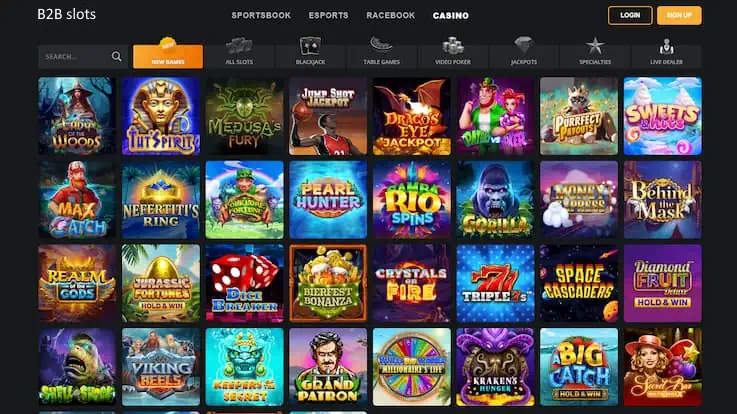
My rule: if a slot provider can’t show you RTP drift and player retention by operator within one week, it’s a dark launch you’ll pay for later.
Casino API Integration for iGaming Platforms (Casino API, Slot API, and Partner Onboarding)
- Test Casino API integration via sandbox, then lock idempotent callbacks.
- Use Slot API integration for odds/RTP fields, not scraped pages.
- Require webhooks for balance sync every 5 minutes.
- Document partner onboarding steps in a checklist with SLAs.
- Set rate limits and IP allowlists per partner to cut fraud.
I’ve integrated with iGaming software where broken auth wasted a full weekend. A solid iGaming B2B platform treats APIs like products: versioning, monitoring, and rollback. Balance sync via webhooks should be under 30 seconds.
Real Money Casino Software and Compliance Considerations for iGaming B2B Solutions
I once saw a “working” real money casino software demo fail after geo rules mismatched. For iGaming B2B, your compliance layer must cover KYC/AML, age-gating, geo-blocking, and responsible gaming. Your team also needs evidence trails for audits, not screenshots. Licensing-grade logs are non-negotiable for real-money launches.
| Regulator | Typical KYC expectation | My launch check |
|---|---|---|
| UKGC (UK) | ID + source checks | Automated document status log |
| Malta MGA | Risk-based due diligence | Geo + device fingerprint rules |
| Curacao | AML policy + monitoring | Chargeback/flag workflow test |
| Sweden Spelinspektionen | Activity + responsible gaming | Deposit/limit enforcement test |
B2B Casino Technology Stack Comparison Table: Provider, Platform, and API Options
In my tests, stacks break at the handoffs, not the flashy UI. I compare casino technology platform, casino API integration, and slot aggregation platform capabilities across providers like SoftSwiss, Playtech, and OpenBet. Pick the stack where APIs and admin tools match the same game IDs.
How to Choose a Casino Software Provider for Long-Term Growth and Scale
I’ve learned to score vendors like SoftSwiss, Playtech, and Nucleus by one brutal metric: how fast they fix production incidents. For long-term growth, demand operator-focused casino software, clear roadmaps, and migration paths for new B2B gaming solutions. Choose the provider with 99.9%+ uptime plus live incident SLAs.
FAQ
Which modules matter most for operators?
Operators care about admin controls, reporting, responsible gaming limits, and audit logs. I’ve seen launches fail when content management and change tracking are weak.

White label or fully custom—what choice reduced risk in your tests?
White label consistently got us to market faster with fewer surprises. Fully custom only made sense when budgets and timelines were locked early.
What should you verify in casino and slot APIs?
Confirm versioning, sandbox testing, webhooks for balance sync, and idempotent callbacks. I’ve learned downtime spikes when auth and rollback aren’t planned.
How do compliance and logging affect real-money readiness?
You need licensing-grade logs for audits, plus KYC/AML, geo-blocking, and responsible gaming enforcement. Demos can look fine until audit evidence is missing.
What’s your top criterion for picking a casino software provider?
Match uptime with real incident SLAs and fast fixes. In my experience, API/admin alignment is the next biggest predictor of smooth scaling.