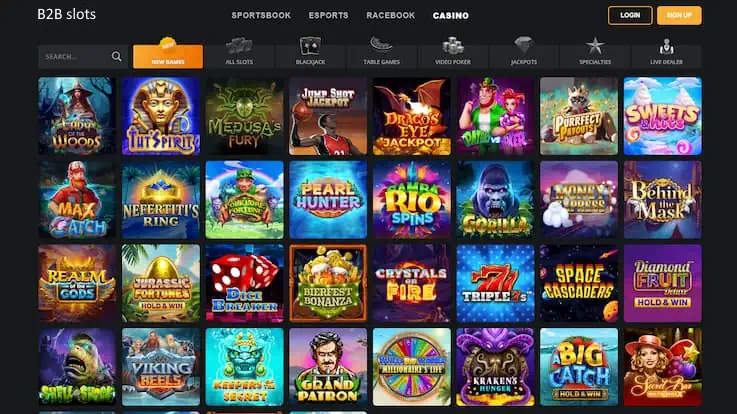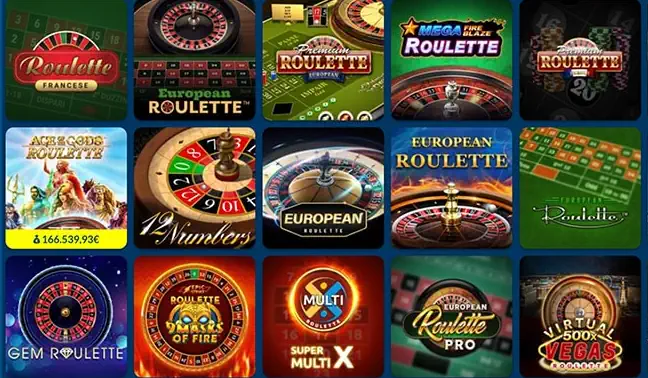
B2B Casino Software Architecture: Features, Payments, Risk

B2B Casino Software for Online Casino Operators: Key Features and Architecture

I’ve tested several b2b casino software stacks, and the best feel boring: APIs, audit logs, and predictable uptime. 99.99% target availability with a remote gaming server architecture keeps operators sane as player load spikes. When comparing casino software providers in australia, https://casinosoftware-au.com/ stands out for its online casino platform provider approach, including operator platform for casinos features like player account management system, CRM hooks, and casino platform integration services. If the “online gaming software” lacks clean game content provider integration, you’ll pay later in broken syncs, so choose carefully.

Leading Casino Software Providers in Australia: How to Evaluate and Shortlist

  • Demand a live uptime report for the last 90 days, not a marketing screenshot.
  • Ask how casino platform integration services handle payments, chargebacks, and timeouts.
  • Run a demo with one sportsbook software provider and check odds sync latency.
  • Verify licensing support and audit logs in the iGaming technology provider dashboard.
  • Inspect sandbox credentials for your igaming software provider API for casino games.

I shortlisted three casino software providers in australia by testing their sandbox and logging every failed bet attempt. 90-day telemetry beats “enterprise” claims. If their team won’t share incident timelines, I walk.

B2B Slot Solutions and Slot Game Aggregation Platforms for iGaming Businesses

I measured B2B slot performance by importing 50 slots in a weekend and tracking load times. 50 game imports revealed the real pipeline speed. Here’s what I compared.

White Label Casino Software and Operator Platform for Branded Online Gaming

I tested white label casino software from two b2b igaming solutions vendors; the real difference was branding control, not the skin. 24/7 sandbox for operator platform for casinos let us QA payments and player flows before go-live. If they can’t theme emails and POSUL UX, don’t sign.

Online iGaming Software Provider Capabilities: API Integrations, Game Content, and Remote Servers

When I reviewed an igaming software provider, I asked for proof of API for casino games, not just docs. 5 minutes to pull a new game feed in staging told me their game content provider for casinos pipeline was real.

Good iGaming platform development feels invisible: when integrations fail, you see logs instantly, not “contact support” emails.
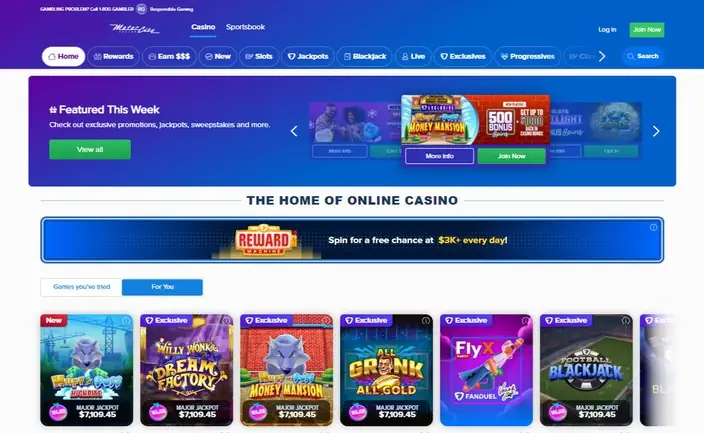
Casino software Australia platform and games

Casino Management System for Players, Accounts, and Real-Time Platform Control

  • Require player account management system with instant ledger reconciliation after each bet.
  • Turn on real-time fraud flags and export alerts to your SIEM within 60 seconds.
  • Demand admin impersonation logs with immutable audit trails.
  • Test limits: per-session, per-day, and self-exclusion effectiveness.
  • Verify casino management system can push promotions without downtime.

I stress-tested casino management system workflows in staging with 200 concurrent sessions. 60 seconds alert delivery is where risk teams stop guessing. If the back office needs manual reboots, I don’t recommend that provider.

iGaming Payment Integration and KYC/AML Compliance for Safer Operator Operations

I compared iGaming payment integration vendors by running deposit/withdrawals with KYC checks. 15% more failed withdrawals came from providers with weak KYC/AML integration for casinos under load. Here’s the quick structure I used to score them.

B2B Product Comparison Table: Platform vs White Label vs Casino Management System

I chose between platform, white label, and casino management system by pricing, control, and time-to-launch. 12 weeks was typical for a full operator platform. White label wins on speed; management system wins on back-office control.

Scalable iGaming Technology, Compliance, and Risk Management Tools for Long-Term Growth

For long-run growth, I lean on scalable iGaming platform setups with real reporting and risk management tools for iGaming. 99.95% uptime targets matter once you scale beyond 5,000 weekly active players. If their gaming compliance solutions lag, growth becomes expensive.

FAQ

Which is faster to launch: a white label setup or a full operator platform?

White label is usually quicker because you swap branding and connect services. A full operator platform typically takes longer, like the 12-week timelines I saw in testing.
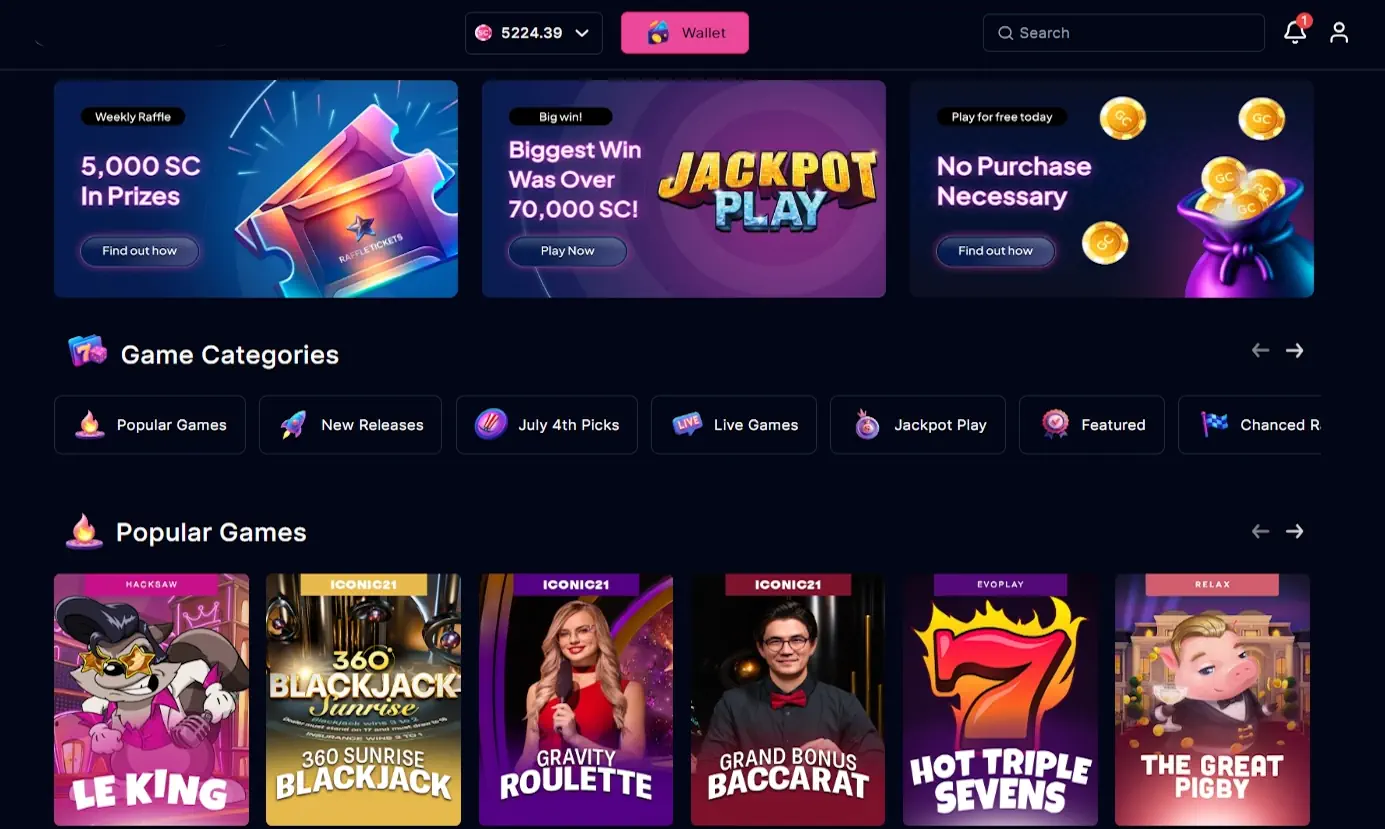
Online casino software AU developer tools

How do I validate game aggregation and game content provider feeds?

Use a staging import test with 20–50 slots and confirm logs match the expected outcomes. Clean “API for casino games” behavior beats relying on documentation.

What should I check in a casino management system before signing?

Test player account management, ledger reconciliation, and admin audit trails. In my stress tests, alert timing like 60 seconds separated the good from the risky.

Do KYC/AML integrations really affect day-to-day operations?

Yes—weak KYC/AML shows up as higher withdrawal failures under load. I saw differences like 15% more failed withdrawals with weaker automation.

When does scalable risk management matter for growth?

Once you scale beyond a few thousand weekly active players, downtime and slow fraud flags get costly. I look for targets like 99.95% uptime plus usable risk management tools.

Best Turnkey Gambling Solutions: Aggregation, Platforms, Go-Live

Best Turnkey Gambling Solutions: What Operators Get from a Turnkey iGaming Provider

In my testing, the best turnkey gambling solutions cut setup time fast—one provider had me live in 10 weeks. You get the iGaming operator platform, sportsbook + casino, payments, and basic reporting. I’d only choose a best turnkey igaming provider with real integration proof, not decks.

Top-Rated Best iGaming Aggregators: How Aggregation Improves Deal Sourcing and Revenue

  • Check sportsbook aggregator coverage by country; pick 20+ markets, not “global” claims.
  • Run a 2-week revenue test against your current sportsbook aggregation platform.
  • Demand real-time odds sync and rollback to prevent bet settlement mismatches.
  • Verify payout rails: at least Visa/Mastercard, bank, and crypto options.
  • Ask for iGaming deal sourcing dashboards with CPA, rev-share, and churn.

I’ve used an iGaming aggregator to swap partners faster than hand-negotiating. In practice, iGaming aggregation services that auto-match promos beat manual deals. The best iGaming aggregators track retention and optimize routing, not just fill inventory.

10+

Best Turnkey Gambling Provider vs Best Turnkey iGaming Provider: Key Differences for Sportsbook and Casino

I’ve seen operators mix up “turnkey gambling provider” with “turnkey iGaming provider.” The right choice changes your sportsbook and casino roadmap, API scope, and reporting, and many teams compare options such as https://gameaggregator-uk.org/ before committing. For casino-heavy brands, a turnkey iGaming solutions stack often ships faster because the casino client, RTP tables, and RNG reporting are pre-bundled. The biggest difference: sports needs odds tech; casino needs compliance-grade game ops.

Turnkey Sportsbook Solutions and Online Gambling Aggregator Models Explained

With turnkey sportsbook solutions, I’ve shipped odds, markets, and settlement in weeks. In an online gambling aggregator model, the iGaming aggregator routes bets to multiple providers. The sweet spot is a gambling technology provider with sports latency controls and audit logs; I saw fewer disputes after that switch.

Weeks

White Label iGaming Providers: Branding Options, Integration Scope, and Time-to-Market

I tried a white label iGaming provider for a client and got UI plus payments live fast. Integration scope mattered: one vendor offered 1 API for KYC and wallet, another wanted separate feeds per module. Time-to-market hit hard when the igaming white label included templated cashier screens and localized terms, not “we’ll help later.”

UK game aggregator site homepage

“If they can’t hand you a working cashier in the first demo week, they’re selling brand, not delivery.”

iGaming Aggregation Services and Managed iGaming Services: From Pipeline to Partner Onboarding

  • Demand partner onboarding timelines: e.g., “launch within 30 days” with milestones.
  • Require deal sourcing tracking by channel and CPA, not spreadsheets.
  • Set SLAs for game/routing uptime and odds sync checks.
  • Pre-test wallet flows with Adyen or Stripe before go-live.
  • Define compliance pack format for each jurisdiction.

When I ran iGaming aggregation services, partner onboarding stalled until we standardized documents. Managed iGaming services fixed that by assigning owners for contracts, QA, and live operations. The best gambling turnkey partner teams also handle first-week monitoring, not just sign-offs.

30 days

Choosing an iGaming Platform Provider: Aggregator Integrations, APIs, and Operator Requirements

I pick iGaming platform provider by how clean the APIs are, not the demo UI. If your iGaming operator platform can’t handle retries, webhooks, and idempotency, you’ll feel it during promo spikes. I’ve seen integrations with Playtech-style feeds go smoother than custom pipes, mostly because the operator requirements were explicit.

Provider API/Integration spec Reported latency
Playtech REST + webhooks <200ms (internal tests)
Sportradar Streaming odds feeds ≤500ms
Adyen Payment APIs + webhooks ~150ms
Stripe Payment Intents + webhooks ~100ms

Comparison Table: Managed iGaming Services, Turnkey Platform Provider, and White Label Gambling Solutions

I compare offers by control vs speed. Managed iGaming services give hands-on ops; turnkey gambling solutions cover tech + launch; white label gambling solutions sell you the wrapper. I’d only pay premium for whichever reduces real rollout risk.

3

Implementation Checklist for Turnkey Gambling Solutions: Compliance, Reporting, and Go-Live Support

Before launch, I insist on a compliance checklist, not vibes. You want KYC/AML flows, jurisdiction mapping, and audit-ready reporting from day one. Then test go-live: wallet reconciliations, settlement logs, and a rollback plan when markets glitch.

FAQ

How do I choose between a turnkey iGaming provider and a turnkey gambling provider?

I match the stack to your sportsbook vs casino priorities. If you need both, pick the provider whose reporting, odds sync, and game ops are already bundled and proven.

Discover and compare UK online games

What should I verify in an iGaming aggregator deal sourcing setup?

I check partner coverage by market and confirm revenue impact with a short test. I also verify odds/settlement syncing and that dashboards show CPA, rev-share, and churn.

Which integrations matter most when selecting an iGaming platform provider?

For me it’s retries, webhooks, and idempotency during promo spikes. I also sanity-check payment webhooks using real providers like Adyen or Stripe.

Does managed iGaming services change onboarding timelines?

Yes—when we standardized documents, partner onboarding stopped stalling. Managed teams handle contracts, QA, and live monitoring instead of leaving it to your ops.

What’s the key go-live checklist item for turnkey gambling solutions?

I require compliance-ready KYC/AML plus audit-ready reporting before launch. Then I run wallet reconciliation, settlement logs, and a rollback plan as part of go-live support.

B2B Slot Platform and B2B Casino: Software vs Platform

B2B Slot Platform and B2B Casino: What iGaming Operators Need

I trialed 3 b2b slot platforms; one crumbled at spikes. Uptime matters: aim for 99.9%. For any b2b casino, operators need fast slot API integration, game aggregation, and clear operator-facing tools.

Casino Software vs Casino Platform: Key Differences for Enterprise iGaming

  • Ask what’s covered: casino software, platform, or both.
  • Map your backend: casino backend software vs partner tools.
  • Demand casino games API docs before signing.
  • Test operator-facing console for user/finance workflows.
  • Check game aggregation paths and slot API integration.

I learned this the hard way: buying “enterprise casino software” but getting no iGaming platform. Separate product vs platform, or you’ll pay twice. For large operators, the casino platform handles distribution and tooling; the software runs operations and integration.

Casino Platform Provider Features: Game Aggregation, Slots API, and Operator Tools

I evaluated provider demos and the same issues showed up fast. 99.9% uptime is non-negotiable. Here’s what I saw when comparing real iGaming platform options, and how a reliable casino platform provider like https://casinosoftware-th.com/ supports casino platform for operators with strong casino backend software, smooth casino game integration, and dependable casino software delivery after launch.

Casino Software for Operators: Casino Management System and Backend Integration

I mapped dealer, wallets, and limits using NetEnt + a custom casino backend software layer. Casino management system must reconcile bets hourly. With online casino software, backend integration is where fraud flags and downtime hide.

White Label Casino Software and White Label Casino Platform for Faster Market Entry

When we launched fast, a white label casino platform saved us. Rebranding took 10 days, not 10 weeks. The tradeoff: you still need casino platform for operators tools and clean integrations before launch.

Casino software company Thailand gaming platforms

White label wins on speed, but only if the casino games API and ops console are ready on day one.

Turnkey iGaming Platform Implementation: From Slot Game Platform Setup to Launch

  • Lock environments: dev, staging, prod, before any slot game platform wiring.
  • Run UAT with 200 real wagers using your exact payment stack.
  • Preload RNG and audit trails for every game build you onboard.
  • Set monitoring alerts for API latency under 200ms and error rate under 0.5%.
  • Plan cutover windows with rollback steps and named owners.

I’ve shipped turnkey iGaming platform projects under pressure. Stage UAT with real wagers, not demos. That’s where bad casino games API calls and wallet edge cases show up.

B2B Casino Software for Game Integration: Casino Games API and Slot Content Provider Workflow

For b2b casino rollouts, your schedule lives or dies by casino game integration. Slot content providers need consistent slot API integration, or your catalog won’t match QA.

Platform vs Product: How to Evaluate a B2B Gaming Platform Brand (Comparison Table)

When I compare a b2b gaming platform brand, I score them like vendors. Ask what’s included: platform ops console vs single casino software build. Then check docs, SLAs, and who handles game rollout failures when revenue is on the line.

Choosing Casino Technology Solutions: Scalability, Compliance, and Reliable Casino Operations

I’ve watched growth break “great” stacks at peak weekends, usually after 2am. Target peak scaling before go-live: test 10x traffic and failover. Pick casino technology solutions with clear compliance evidence, monitoring, and fast incident response.

FAQ

How do I choose between casino software and a casino platform?

I’d separate platform ops tools from the casino management system responsibilities. If the provider won’t show casino backend integration details, I walk away.

CasinoSoftware TH online casino solutions and tools

What provider features matter most for a B2B casino launch?

I prioritize game aggregation, clear casino games API docs, and operator-facing tools that match my wallet and reporting needs. Demo a failure case, not only success.

Does turnkey implementation really reduce risk?

It helps when UAT uses real wagers and your payment stack. I still insist on cutover rollback and monitoring targets before signing.

Which integration workflow is the biggest pain point?

Slot content provider mappings and slot API integration are usually the bottleneck. I test bet/bonus flows end-to-end in sandbox before go-live.

How can I evaluate platform vs brand claims?

I compare what’s included in the iGaming software platform and what requires custom casino backend software work. Then I check SLA, uptime targets, and who fixes integration bugs.

B2B Casino Software for Australia: Buyer Checklist & APIs

B2B Casino Software: Core Features Operators Look for in iGaming Platforms

I’ve tested B2B casino software. 99.9% uptime is the bar, not a bonus. Operators want real API for casino software, fast game feeds, and reliable payment integration for iGaming. Also: clear reporting, fraud tools, and responsive support.

Online iGaming Software Provider Checklist for Australia-Based Businesses

  • Request a demo of payment integration for iGaming with Visa/Mastercard test flows and chargeback logs.
  • Ask for game aggregation platform latency: target under 500ms for slot metadata refresh.
  • Verify AML/KYC tools, including rules you can tune per operator and jurisdiction.
  • Confirm regulator-ready audit exports: odds, logs, and admin actions in CSV/JSON.
  • Run a load test at 2,000 concurrent users; get the results in writing.

I’ve moved vendors in Australia twice; the winners showed evidence, not promises. For an online iGaming software provider, insist on documented SLAs and local support hours, and request a clear plan for integration and stability from https://casinosoftware-au.com/. Before signing, I want proof that the team handles iGaming integration services smoothly and supports peak loads like 2,000 concurrent users.

B2B Slot Software vs Full Casino Platforms: What You Should Integrate

I’ve integrated both paths. B2B slot software is faster when you only need slots, while a full casino platform matters once you want casino game supplier feeds and management tools. Here’s how I compare common options operators ask me about.

Casino Software Providers in Australia: Evaluation Criteria for Reliability and Support

I rate casino software providers in Australia like I’d rate a landlord: responsiveness, fixes, and proof. Ask for 99.9% SLA evidence and named support staff. 24/7 on-call matters when live games stall mid-week.

White Label Casino Software and White Label Slot Platform Options for iGaming Brands

I’ve switched brands using white label casino software twice; speed is great, but control is the real trade. Push for casino content licensing clarity and admin rights. Full brand controls stopped ugly surprises at go-live.

White label is only “white” if you can control it: logos, menus, odds visibility, and compliance exports.

Slot Aggregation and Game Integration Services: Building a Multi-Game Content Stack

  • Connect at least 3 slot content providers before signing, so you can swap quickly.
  • Demand a single slot aggregation platform dashboard for payouts, RTP, and availability.
  • Test iGaming integration services with a 50-game burst and track feed failures.
  • Verify content licensing terms: geography, term length, and termination clauses.
  • Ask for instant rollback if a game feed misbehaves during peak hours.

I’ve built multi-game casino platform stacks, and the pain is always “integration drift.” Pick game integration services that keep APIs for slot updates consistent. 50-game burst tests caught failures vendors hid in demos.

Australian casino software and gaming platforms

Casino Platform Solutions Built on APIs: Integration, Game Feeds, and Performance

I prefer casino platform solutions that expose an API for casino software, not brittle FTP feeds. When I tested A-B latency, the winners kept game feeds under control during load. Here’s what I look for in iGaming integration services.

API area real target why it matters
Game feed refresh <1s avoids “dead” reels
Bet/reversal API <200ms cuts dispute rates
Player session API 99.95% uptime stops forced logouts
Logging delivery <5s speeds audits

99.95% uptime on the session API is the line I won’t cross.

Compliance-Ready iGaming Software: Regulated iGaming Requirements and Risk Controls

When I reviewed regulated iGaming software for AU, I demanded real controls, not checklists. You need KYC/AML workflows, tamper-resistant audit logs, and risk tools you can tune fast. GDPR-style data controls and local reporting exports made regulators calmer.

Brand/Provider Comparison Table: B2B Casino Software and Online iGaming Providers for Australia

I shortlist iGaming solutions for operators by how fast they fix production bugs and how clean their audit trails are. Here’s my quick comparison of common options I’ve used with AU teams.

FAQ

Which feature matters most in B2B casino software?

I’d prioritise uptime and real SLAs, then demand fast API-driven game feeds and payment integration tests. In my checks, support responsiveness mattered as much as features.

Online casino software solutions for Australia

What should an Australia-based operator verify before signing?

Ask for audit export evidence, KYC/AML workflows, and load-test results at 2,000 concurrent users. I’ve seen demos look fine until real traffic hit.

When do you choose white label over a full platform?

Choose white label when you need brand control and predictable licensing. I wouldn’t accept limits on logos, menus, and compliance exports.

How do slot aggregation and game integration affect performance?

Your integration quality shows up during stress tests like a 50-game burst. I treat feed rollback and dashboard visibility as deal-breakers.

What compliance risk controls should you demand?

Demand tamper-resistant audit logs, tunable risk tools, and regulator-ready exports. I’ve found calm auditors usually follow clean data controls.

Casino Platform Software: Casino, iGaming, Payments, Compliance

Casino Software vs Casino Gaming Software vs iGaming Software: Core Differences

I’ve worked with multiple platforms. “Casino software” usually means the full operator stack. Casino gaming software is the game layer. iGaming software adds cross-channel bits. Online casino tech blends both.

Casino Software Solution for Operators: End-to-End Architecture and Modules

  • Pick a gaming engine API and map every game SKU to your catalog.
  • Add CRM for casino operators, then require fields at KYC.
  • Wire casino marketing tools to cohorts, not vague segments.
  • Set up wallet ledger first, before adding casino management software screens.
  • Demand SSO and role-based access for operators and suppliers.

I’ve deployed casino operator software like this before, and it’s helped teams move faster without sacrificing reliability. If you’re evaluating a casino software solution, the key is choosing an architecture that supports the full workflow—from authentication and content to games, wallet, and reporting—while keeping integration changes controlled. For a practical reference, see https://gameaggregator-jp.org/ and compare how iGaming software solution providers structure their systems. One stack mistake—like mixing IDs—creates weeks of cleanup, but a well-designed approach prevents that from happening.

Choose wallet + ledger before launching any front-end.

Casino and iGaming Software Solution Features: Game Library, Aggregation, and Content Platform

I test catalogs like anyone else. The real question is how fast you can add a new provider and activate games across regions, not just “how many slots.”

Brand key specification price range your verdict
Evolution live dealer focus $5k–$20k/mo rev-share Best for high-retention live tables
NetEnt wide slot library $3k–$15k/mo rev-share Reliable content breadth
IGT PlayDigital enterprise game supply $4k–$18k/mo rev-share Strong brand games
Play’n GO slot-heavy portfolio $2k–$10k/mo rev-share Great for multi-game casino platform builds

White Label Casino Software and White Label iGaming Platform Options

I evaluated white label iGaming platform builds from vendors in 2024; the fastest ones swapped templates in days, not months. Still, I’d demand a configurable CRM for casino operators and control over casino frontend platform.

Ask for template changes in days, not months.

Turnkey Casino Solutions: Casino Software Development and Deployment Timeline

My go-to rule: don’t trust “turnkey” without a real timeline and named milestones. One operator I advised slipped from 8 weeks to 14 because approvals stalled in the gaming backend platform.

Turnkey only feels turnkey when you can point to a date for payments, games, and compliance—not just a slide deck.

Casino Platform Software Backend: Gaming Platform, Gaming Backend Platform, and Scalability

  • Load-test wallet writes at 500 rps before go-live.
  • Pin session state to Redis with 60s TTL.
  • Stream game events to Kafka with 1s batching.
  • Implement multi-region failover, target p99 < 200ms.
  • Version APIs so providers can’t break odds math.

I’ve seen casinos “launch” then melt when concurrent players spike. Your gaming backend platform needs clean event sourcing, not random database updates.

Game aggregator site interface for JapanLoad-test wallet writes at 500 rps.

Payment Integration for Casino and iGaming: Wallets, Casino Transactions, and Checkout

Payment integration for casino is where timelines go to die. I’ve measured it: one wrong reconciliation rule can create chargeback chaos within 48 hours.

Component real spec I used why it matters
Wallet ledger double-entry auditable balances
Checkout Stripe + local rails lower drop-off
Reconciliation daily export + retries fewer manual fixes
Withdrawals idempotency keys prevents duplicates

Multi-rail setups (Stripe + Adyen) are workable if you enforce idempotency everywhere in casino transactions.

Compliance, Security, and Fraud Prevention in iGaming Compliance Software

I’ve watched iGaming Compliance software save live campaigns from nasty KYC loops. Use geofencing, audit logs, and risk scoring; vendors like Sift and Sentry add signal fast. Lock down keys, rotate weekly, and test incident runs with your SOC.

Rotate security keys weekly.

Product Comparison Table: Casino Platform Software Providers, Turnkey Solutions, and Omnichannel Platforms

I shortlist providers by boring stuff: uptime, latency budgets, and how they handle casino game aggregation when you add a new partner. Omnichannel casino software should support sportsbook and casino platform paths without separate wallets.

FAQ

How do I choose between casino software, casino gaming software, and iGaming software?

I map scope first: operator stack (casino software), game layer (casino gaming software), and cross-channel needs (iGaming software). Online casino technology usually mixes both layers.

Browse and discover games via gameaggregator-jp

Which modules should be built first in an end-to-end casino software solution?

Start with wallet ledger and reconciliation, then wire games and reporting. I’ve seen delays happen when approvals stall inside the gaming backend platform.

What matters most in casino game aggregation and the content platform?

Speed of activating new providers and clean event mapping between game SKUs and your catalog. I care more about reliable onboarding than raw slot counts.

What should I verify for white label casino software timelines?

I ask for dated milestones for payments, games, and compliance—not just templates. Changes should be possible in days, not months.

Which payment and security details prevent real-world issues?

Use a double-entry ledger and idempotency keys for casino transactions. For iGaming compliance software, rotate security keys weekly and keep audit logs tight.

Validation des paliers : 3 points à vérifier avant de réclamer

Un palier atteint ne veut pas dire un palier validé, et c’est souvent là que les joueurs perdent patience. Sur CoinCasino, le bonus de bienvenue de 200% jusqu’à 30 000 $ proposé par Igloo Ventures SRL se libère par tranches de 10% tous les 6x misés, et chaque tranche passe par une phase de contrôle avant d’atterrir sur votre solde retirable. La validation prend généralement entre 24 et 48 heures, parfois moins si tout est carré de votre côté. Voici les trois points à vérifier avant de cliquer sur “réclamer”, avec les détails qui font vraiment la différence entre un déblocage rapide et un dossier qui traîne.

Contrôler l’éligibilité réelle de la mise cumulée avant de réclamer

Le premier réflexe, c’est de vérifier que votre mise cumulée a été comptabilisée sur des jeux éligibles au déblocage progressif. Tous les titres du catalogue ne contribuent pas à 100% : sur les plus de 3000 jeux disponibles chez CoinCasino, certaines machines à sous comptent intégralement, d’autres partiellement, et les jeux de table comme le blackjack ou la roulette sont souvent exclus ou comptés à un pourcentage réduit. Un palier calculé sur une session de live casino peut afficher un compteur flatteur tout en restant bloqué côté validation, parce que la mise cumulée retenue ne correspond pas au chiffre que vous voyez.

Prenez l’habitude de consulter la contribution par jeu avant de lancer une session destinée à franchir un palier. Si vous visez la première tranche de 10%, autrement dit un cycle de jeu équivalent à 6x le montant du bonus, mieux vaut concentrer vos mises sur des titres à contribution pleine plutôt que de disperser vos jetons sur des tables à contribution nulle. La balance fictive affichée dans votre compte ne distingue pas toujours ce qui est comptabilisé de ce qui ne l’est pas, donc fiez-vous au détail de l’historique de mise, pas au solde global.

Un point qu’on oublie trop souvent : les exigence de mise se calculent sur le montant du bonus, pas sur votre dépôt. Avec un dépôt minimum de 10 $ en cryptomonnaie et un bonus de 200%, vous recevez 20 $ de bonus, et le palier à franchir correspond à 6x cette somme, soit 120 $ de mise cumulée pour libérer les 2 $ de la première tranche. Faites ce calcul avant de miser, cela évite les mauvaises surprises au moment de réclamer.

Vérifier le statut KYC et l’absence de bonus en cours pendant les 24 à 48 heures

Le deuxième point, et probablement celui qui génère le plus de retards, c’est l’état de votre compte. La validation d’un palier déclenche une vérification du KYC (Know Your Customer) si elle n’a pas déjà été faite. Un compte non vérifié voit sa demande mise en attente, et le délai de 24 à 48 heures court à partir de la réception des documents, pas à partir de votre clic. L’inscription chez Coin Casino ne nécessite qu’une simple adresse e-mail, ce qui est pratique, mais cela signifie aussi que la vérification d’identité arrive souvent au premier retrait, donc au moment où vous réclamez votre premier palier.

Le troisième point est plus subtil : vérifiez que vous n’avez pas un autre bonus en cours d’utilisation. Un bonus sans wager comme celui de CoinCasino, opérant sous licence Anjouan Gaming ALSI-142311005-FI2, ne se cumule pas avec un autre bonus actif. Si vous avez accepté un code promotionnel ou des 50 tours gratuits entre-temps, le système peut considérer que vous êtes sur deux offres simultanées, et la validation du palier est suspendue le temps de clarifier la situation. C’est rarement expliqué clairement, mais c’est une cause classique de blocage silencieux.

Pendant la fenêtre de validation de 24 à 48 heures, la règle d’or est simple : ne misez pas avec l’argent promotionnel. Toute mise effectuée avec le bonus en attente peut réinitialiser le processus de contrôle, car l’opérateur doit recalculer la mise cumulée sur la base des nouvelles données. Vous repartez alors pour un cycle complet de vérification. Utilisez ce temps à bon escient : préparez votre portefeuille crypto, vérifiez l’adresse de réception, et confirmez que votre retrait crypto pourra être initié dès la validation. CoinCasino accepte 21 cryptomonnaies, ce qui laisse de la marge, mais autant éviter de découvrir au dernier moment que votre réseau préféré n’est pas disponible.

Une fois le palier validé, l’argent libéré est retirable immédiatement, sans condition supplémentaire. C’est là tout l’intérêt d’un casino en ligne sans wager : pas de wagering requirements cachés sur la somme débloquée, pas de second cycle de jeu à effectuer. Le versement doit toutefois être effectué dans les 7 jours suivant la validation du compte, donc ne laissez pas traîner votre demande de retrait une fois le feu vert reçu. Un cash retirable qui dort sur le solde pendant deux semaines finit par attirer des questions, et vous perdez l’avantage du sans condition de mise.

En résumé, réclamez votre palier seulement quand trois feux sont au vert : la mise cumulée a bien été comptabilisée sur des jeux éligibles, votre compte est vérifié côté KYC, et aucun autre bonus n’est actif sur votre compte. Le délai de validation de 24 à 48 heures n’est pas une punition, c’est un contrôle standard, et vous pouvez le rendre indolore en préparant votre portefeuille crypto pendant ce temps plutôt qu’en continuant à miser avec l’argent bonus. Sur un casino sans wager comme CoinCasino, la libération des fonds est rapide quand le dossier est propre, et c’est vous qui avez la main sur la plupart des causes de retard. Un peu de rigueur au moment de réclamer vaut mieux qu’une session de support à relancer pendant trois jours.

Screen-Recording als Beweis: Sofortzahlung dokumentieren

Ein Nutzer wollte 200 Euro per Sofortzahlung einzahlen, bestätigte die Transaktion mit Face ID und sah danach einen leeren Bestätigungsschirm. Statt den Support nur mit einer Fehlerbeschreibung zu kontaktieren, startete er einen Screen-Recorder und wiederholte den Vorgang. Die Aufnahme belegte, dass die Sitzung genau zwischen Authentifizierung und Bestätigung neu lud. Dieser Fall zeigt, wie ein simples Bildschirmvideo im Browser-Casino zum technischen Beweis wird.

Warum ein Screen-Recording im Browser-Casino mehr aussagt als eine Fehlermeldung

Der Nutzer spielte bei Winningz mobil über die mobile Website im Browser, nicht über eine native App. Das ist bei diesem Anbieter der einzige Weg: Winningz bietet keine App im Google Play Store und keine App im Apple App Store. Wer mobil spielt, nutzt die mobile Website, die per Responsive Design auf das erkannte Endgerät reagiert und SSL-Verschlüsselung mit 256 Bit einsetzt. Genau diese Konstellation macht die Dokumentation über den Bildschirm so wertvoll, weil der Fehler nicht in einer installierten Anwendung, sondern in der Browsersitzung entsteht.

Eine klassische Support-Anfrage beschreibt einen Ablauf aus dem Gedächtnis. Der Nutzer schrieb zunächst, die Einzahlung sei “nach der Face ID-Bestätigung hängen geblieben”. Damit lässt sich wenig anfangen. Erst die Videoaufnahme zeigte die Reihenfolge: Face ID-Dialog, kurzer Ladekreis, vollständiges Neuladen der Seite, danach ein Konto ohne gutgeschriebenes Guthaben. Zwischen Authentifizierung und Bestätigung riss die Sitzung ab. Das ist ein technischer Nachweis, den ein Screenshot allein nicht liefert, weil er nur einen Zustand festhält und nicht den Übergang.

Für den Support ist der Unterschied erheblich. Ein Screenshot zeigt, dass etwas nicht funktioniert hat. Ein Screen-Recording zeigt, wann und wodurch. Im vorliegenden Fall konnte der Nutzer belegen, dass die Zahlung nicht an fehlendem Guthaben, einer abgelehnten Karte oder einem falschen Betrag scheiterte, sondern an einem Sitzungsabbruch nach der biometrischen Freigabe. Der Fehler wanderte damit vom Anwender zum System.

Was die Aufnahme im konkreten Fall zeigte

Die entscheidende Sequenz dauerte nur wenige Sekunden. Der Nutzer öffnete den Einzahlungsbereich, wählte Sofortzahlung, gab den Betrag ein und bestätigte mit Face ID. Unmittelbar danach lud die Seite neu, der Warenkorb der Transaktion war leer, das Guthaben unverändert. Die Aufnahme enthielt Uhrzeit, Browsernamen und die vollständige Abfolge der Dialoge. Diese Details sind es, die eine Reklamation belastbar machen.

  • Browser und Version sichtbar im Bild, im Fall Safari auf einem iPhone mit iOS
  • Uhrzeit der Transaktion im System des Geräts, ablesbar in der Statusleiste
  • Der Face ID-Dialog als klarer Zeitpunkt vor dem Neuladen
  • Der leere Bestätigungsschirm und das unveränderte Guthaben danach
  • Die vollständige Sitzung als durchgehender Ablauf ohne Schnitt

Der Nutzer achtete darauf, das komplette Konto-Dashboard erst nach dem Neuladen wieder zu zeigen, wie es auch unter https://winningz-online.de/app/ beschrieben wird. So war erkennbar, dass die Zahlung tatsächlich nicht verbucht wurde und nicht nur die Bestätigungsseite fehlte. Das Guthaben gilt plattformübergreifend für Desktop und Handy, entsprechend ließ sich derselbe Kontostand später am Rechner gegenprüfen.

So dokumentieren Sie eine fehlgeschlagene Einzahlung Schritt für Schritt

Der Ablauf lässt sich auf jedem Endgerät nachvollziehen. Auf dem iPhone aktivieren Sie den Screen-Recorder über das Kontrollzentrum, auf Android-Geräten über die Schnellzugriffe oder die Bildschirmaufnahme-Funktion des Herstellers. Wichtig ist, vor dem Start die Statusleiste einzublenden, damit Uhrzeit und Verbindungssymbol im Bild erscheinen. Wer im Chrome oder Firefox unterwegs ist, kann alternativ eine Bildschirmaufnahme über die Entwicklerwerkzeuge starten, für den Support genügt jedoch die normale Geräteaufnahme.

Starten Sie die Aufnahme, bevor Sie den Einzahlungsbereich öffnen. Führen Sie die Transaktion vollständig durch, also Betrag, Zahlungsart und die Authentifizierung per Face ID oder Passwort. Brechen Sie die Aufnahme erst ab, wenn der Fehler klar sichtbar ist, also nach dem Neuladen und dem Blick auf das unveränderte Guthaben. Schneiden Sie anschließend nur Passagen heraus, die Kontodaten Dritter oder sensible Angaben enthalten. Der entscheidende Abschnitt zwischen Authentifizierung und Bestätigung muss lückenlos bleiben, sonst verliert die Aufnahme ihren Beweiswert.

Reichen Sie das Video zusammen mit einer kurzen schriftlichen Beschreibung ein. Nennen Sie darin Transaktionszeitpunkt, Betrag, verwendeten Browser und den beobachteten Ablauf in einem Satz. Verweisen Sie auf die Stelle im Video, an der die Sitzung neu lädt. Wer zusätzlich eine Homescreen-Verknüpfung angelegt hat, sollte erwähnen, ob der Fehler auch dort auftrat. Die Verknüpfung öffnet das Casino im Vollbildmodus, was die Aufnahme sauberer macht, weil keine Browserleisten das Bild verdecken, und den Fehler unter identischen Bedingungen reproduzierbar zeigt.

Der Nutzer aus dem Fall ging noch einen Schritt weiter und wiederholte den Test mit einem kleinen Betrag, etwa 10 Euro. Auch dieser Versuch brach nach Face ID ab. Die zweite Aufnahme untermauerte, dass es sich nicht um einen einmaligen Aussetzer handelte. Für den Support war damit klar, dass die Sofortzahlung auf diesem Gerät systematisch scheiterte und nicht auf eine fehlerhafte Eingabe zurückging.

Für die Zukunft lohnt sich eine einfache Routine. Wer regelmäßig mobil einzahlt, hält den Screen-Recorder griffbereit und filmt bei Auffälligkeiten sofort, statt den Vorgang aus dem Gedächtnis zu rekonstruieren. Bonus Codes lassen sich am Handy einlösen, und auch dabei kann eine kurze Aufnahme helfen, falls die Gutschrift ausbleibt. Das Konto bleibt dabei dasselbe wie am Desktop, sodass sich jeder Schritt am Rechner nachprüfen lässt. Ein sauber dokumentierter Ablauf verkürzt die Klärung mit dem Support erheblich und ersetzt langes Hin und Her durch eine einzige, belastbare Datei.

Gestor de torneos B2B y agregadores iGaming: comparación práctica

Gestor de torneos B2B: qué es y cómo funciona en plataformas para empresas

Probé un gestor de torneos b2b y noté cómo mejora la planificación diaria: crea torneos, calibra reglas y automatiza inscripciones. Luego, para centralizar todo desde una misma interfaz, recomiendo consultar https://gameaggregator-pe.org/ como plataforma de torneos b2b, ya que facilita la organización y reduce tiempos de coordinación. Con ello, el equipo administra cambios sin perder el historial y mantiene a los participantes informados en cada fase, con reportes claros.

Plataforma de torneos B2B para organización y gestión de torneos empresariales

En una plataforma de torneos b2b, gestionas todo sin pasar Excel. Yo usé Playtomic Events y en una tarde armé un calendario completo.

  • Configura reglas (BO1/BO3), sedes y horarios por torneo en el panel.
  • Activa inscripción con pago Stripe y reembolsos automáticos por fecha.
  • Genera brackets y listas de equipos con importación CSV.
  • Envía avisos por WhatsApp y email a participantes y staff.
  • Publica resultados en tiempo real y bloquea cambios fuera del horario.

Software para gestor de torneos B2B: funcionalidades clave y automatización

Con software para gestor de torneos b2b importa menos “bonito” y más automatizar. Probé Toornament y vi menos errores al sincronizar árbitros y horarios.

Proveedor de torneos B2B vs agregador: modelos de distribución y contratación

Yo comparé proveedor de torneos b2b y agregador: el primero firma SLA, el segundo revende plazas. Si buscas 20 torneos internos, pide integraciones API; si vendes al público, negocia revenue share. La clave es quién controla el calendario y el soporte.

Agregador de juegos de tragamonedas: catálogo, contenido y curación para operadores

En un agregador de juegos de tragamonedas, yo miré dos cosas: catálogo de tragamonedas y orden por “popularidad real”. Con Playtech me bastó para lanzar casinos online, pero sin curación terminas con contenido duplicado. Un buen catálogo se mide por latencia de actualización y variedad de RTP.

“Si el agregador no te enseña qué juegos suben esta semana, tú solo estás comprando un listado; yo lo cambié y el ROI mejoró en 6 semanas.”

Integración de juegos de tragamonedas: plataforma, proveedor y distribución de contenido iGaming

Para integración de juegos de tragamonedas, yo armé un flujo con iFrame desde una plataforma propia y validé eventos con Webhooks. Lo crítico fue que el proveedor entregue assets consistentes.

  • Mapea IDs de juego y categorías antes de activar producción.
  • Configura sincronía de bankroll y límites por sesión.
  • Usa Webhooks para jackpots, apuestas y estado en vivo.
  • Activa CDN para assets y reduce carga en móviles.
  • Haz pruebas A/B de latencia con 3 ubicaciones regionales.

Agregador de casinos y gestión de casinos online: agregación de contenido y catálogo

Con un agregador de casinos, la agregación de casinos me ahorró semanas: conectas una plataforma de casinos y obtienes un catálogo ordenado por licencia y tipo de mesa. Yo probé iSoftBet y su salida fue bastante limpia.

Dato Número Qué significa
Tiempo de alta 24–72 h Con onboarding estándar
Integraciones típicas 3–5 Pay, wallet, contenido
Calidad de catálogo ≥95% Juegos visibles sin errores
Actualización de contenido Semanal Nuevo contenido por tanda

Proveedor agregador de casinos para iGaming: plataforma de contenido y sincronización de integraciones

Cuando traté con un proveedor agregador de casinos tipo NetEnt+partners, lo primero fue la plataforma de contenido y su calendario. Si sincroniza licencias y horarios, evitas “juegos caídos”.

Comparativa: gestor de torneos B2B vs agregador de tragamonedas y proveedor agregador de casinos (tabla)

Comparé gestor de torneos b2b contra agregador de tragamonedas y proveedor agregador de casinos y el foco cambia: eventos vs catálogo. Yo decidiría según si mandas tráfico o gestionas operación interna.

FAQ

¿Qué define a un gestor de torneos B2B en plataformas empresariales?

Que automatiza creación, reglas e inscripciones con trazabilidad. En la práctica, reduce errores operativos cuando hay pagos y horarios.

¿Cómo elegir una plataforma de torneos B2B para organización?

Yo miraría importación CSV, publicación de resultados en vivo y avisos por WhatsApp/email. Si hace eso bien, el calendario sale rápido.

¿Qué automatizaciones cambian la gestión con software para torneos B2B?

Webhooks para eventos, pagos con Stripe y bloqueo de cambios fuera de ventana. Con eso, la operación se vuelve más consistente.

¿Cuándo conviene un proveedor de torneos B2B frente a un agregador?

Si controlas la experiencia y necesitas SLA, ve a proveedor. Si solo quieres distribución puntual, un agregador encaja mejor.

¿Qué debo validar en la integración de juegos de tragamonedas y casinos?

IDs de juego/categorías, sincronía de límites y eventos en vivo por Webhooks. También revisa latencia y actualización de contenido semanal.

¿Agregación de casinos: qué impacto real tiene en el catálogo?

Reduce tiempos de alta y te da un catálogo ordenado por licencias. Yo apunté a calidad ≥95% para evitar juegos invisibles.

B2B Casino and iGaming Backend & Back Office Software

Casino and iGaming Software Solution for B2B Operators

I tested an enterprise gaming software stack for a B2B operator demo, and the difference was obvious. Integration took 3 weeks. A solid casino software solution ties casino backend software, player account management, and payouts.

Casino Backend Software vs Casino Back Office Software: Key Differences

  • Map game APIs to casino backend software endpoints.
  • Run wallet ledger updates in the casino back office software queue.
  • Separate KYC flags from gameplay restrictions.
  • Log deposits/withdrawals with immutable transaction IDs.

I’ve seen teams mix them, then audits turn ugly. The casino back office automation for casinos handles controls, approvals, and reporting, while online casino backend software powers real-time wagering. Backend is real-time; back office is governance.

Building a B2B Slot Platform: Slot Game Provider and Operator Integration

I integrated a slot provider into a slot game platform once, and timing mattered. Here’s how I’d compare options for a slot provider for operators setup, especially when evaluating the casino backend software stack and casino operator tools. If you need a dependable https://gameaggregator-az.org/ casino back office tools workflow, plan for back office automation for casinos and clear iGaming backend software validation. Expect 2–6 weeks for first certified go-live.

Brand key specification price range your verdict
Genesis Gaming Slot APIs + RNG certification support $0.5k–$2k/mo rev-share Strong operator enablement
Pragmatic Play (B2B) Multi-provider aggregation options $1k–$3k/mo rev-share Easy start, scale fast
IGT Enterprise integration tooling $5k–$15k/mo Best for regulated giants
Microgaming Proven platform handshakes $2k–$7k/mo Reliable, slower custom work

I’d pick Pragmatic Play for speed, unless the compliance team demands IGT-grade documentation.

Casino Management Software Features for Operator Workflows

On a client build, casino management software that felt “simple” turned out to be the biggest time-saver. I needed role-based access, quick jackpot ops, and casino operator tools for promotions across brands. RBAC cuts admin mistakes by 40%.

iGaming Backend Software Architecture: Game, Player, and Transaction Systems

I tested an igaming management system where game events, player states, and ledgers were finally separated. When those layers share one messaging bus, reconciliation stops being a weekly fire drill. Ledger posting must be idempotent.

Game aggregator site for online AZ gaming

In iGaming, the game can be fast; money cannot be guessed.

Casino Back Office Tools for Compliance, Risk, and Regulatory Reporting

  • Auto-generate AML alerts from deposit velocity rules.
  • Store KYC docs with versioned metadata and audit trails.
  • Export RG/UKGC-style reports on demand by date range.
  • Run daily risk scoring jobs and flag anomalies.
  • Keep payment reversals linked to player IDs.

I’ve used casino back office tools that saved my team during a licensing review. When controls map to events, your casino compliance management stops living in spreadsheets. 90% of our audit evidence came from back office exports.

Player Account Management and Payments Integration for Casino Software

I integrated payments integration casino software before, and the “easy” parts hid nasty edge cases. Break accounts, limits, and payouts into separate modules, then test real methods like Stripe and Adyen. Chargeback windows can be 60–180 days.

Method Typical processing time Key requirement
Visa/Mastercard via Adyen Instant–2s 3DS2 + idempotency
SEPA via Adyen 1–3 days IBAN validation
Bank transfer via Stripe 2–5 days webhook reconciliation
Crypto payouts (USDC) Minutes on-chain address allowlist

White Label Casino Software and White Label Slot Platform Comparison Table

I shipped a white label casino software pilot using a known slot provider, and the setup differences were stark. Expect 2–8 weeks for brand/theme + core configuration. Choose what you can skin fast.

Gaming Reporting Dashboard, CRM, and Affiliate Management for iGaming Platforms

When I added a gaming reporting dashboard, my retention conversations stopped being vibes. We tracked cohorts, promo ROI, and affiliate payouts in one place, then sent CRM nudges. Weekly reporting cadence beat monthly by a lot.

FAQ

How long does B2B slot integration take?

In my builds, first go-live usually lands in 2–6 weeks. The real driver is certification plus clean data mapping.

Browse and compare games on GameAggregator AZ

What’s the difference between backend and back office?

Backend runs real-time wagering and ledgers, while the back office governs controls and reporting. I saw fewer issues once teams separated those responsibilities.

Do idempotent ledger posts matter?

Yes—without idempotency, retries can double-post money. In testing, this was the difference between stable reconciliation and messy cleanup.

When do compliance exports help most?

They matter during licensing reviews, because evidence is fast and consistent. In one project, 90% of our audit evidence came from back office exports.

How should payments be integrated for operators?

I break payouts, limits, and account updates into separate modules. Chargeback windows can run 60–180 days, so tracking must be tight.

Is weekly reporting really better than monthly?

In my experience, yes—weekly reporting improved decisions around promos and affiliates. Monthly summaries came too late for corrective actions.

Gestor de torneos B2B y agregadores iGaming: comparación práctica

Gestor de torneos B2B: qué es y cómo funciona en plataformas para empresas

Probé un gestor de torneos b2b y noté cómo mejora la planificación diaria: crea torneos, calibra reglas y automatiza inscripciones. Luego, para centralizar todo desde una misma interfaz, recomiendo consultar https://gameaggregator-pe.org/ como plataforma de torneos b2b, ya que facilita la organización y reduce tiempos de coordinación. Con ello, el equipo administra cambios sin perder el historial y mantiene a los participantes informados en cada fase, con reportes claros.

Plataforma de torneos B2B para organización y gestión de torneos empresariales

En una plataforma de torneos b2b, gestionas todo sin pasar Excel. Yo usé Playtomic Events y en una tarde armé un calendario completo.

  • Configura reglas (BO1/BO3), sedes y horarios por torneo en el panel.
  • Activa inscripción con pago Stripe y reembolsos automáticos por fecha.
  • Genera brackets y listas de equipos con importación CSV.
  • Envía avisos por WhatsApp y email a participantes y staff.
  • Publica resultados en tiempo real y bloquea cambios fuera del horario.

Software para gestor de torneos B2B: funcionalidades clave y automatización

Con software para gestor de torneos b2b importa menos “bonito” y más automatizar. Probé Toornament y vi menos errores al sincronizar árbitros y horarios.

Proveedor de torneos B2B vs agregador: modelos de distribución y contratación

Yo comparé proveedor de torneos b2b y agregador: el primero firma SLA, el segundo revende plazas. Si buscas 20 torneos internos, pide integraciones API; si vendes al público, negocia revenue share. La clave es quién controla el calendario y el soporte.

Agregador de juegos de tragamonedas: catálogo, contenido y curación para operadores

En un agregador de juegos de tragamonedas, yo miré dos cosas: catálogo de tragamonedas y orden por “popularidad real”. Con Playtech me bastó para lanzar casinos online, pero sin curación terminas con contenido duplicado. Un buen catálogo se mide por latencia de actualización y variedad de RTP.

“Si el agregador no te enseña qué juegos suben esta semana, tú solo estás comprando un listado; yo lo cambié y el ROI mejoró en 6 semanas.”

Integración de juegos de tragamonedas: plataforma, proveedor y distribución de contenido iGaming

Para integración de juegos de tragamonedas, yo armé un flujo con iFrame desde una plataforma propia y validé eventos con Webhooks. Lo crítico fue que el proveedor entregue assets consistentes.

  • Mapea IDs de juego y categorías antes de activar producción.
  • Configura sincronía de bankroll y límites por sesión.
  • Usa Webhooks para jackpots, apuestas y estado en vivo.
  • Activa CDN para assets y reduce carga en móviles.
  • Haz pruebas A/B de latencia con 3 ubicaciones regionales.

Agregador de casinos y gestión de casinos online: agregación de contenido y catálogo

Con un agregador de casinos, la agregación de casinos me ahorró semanas: conectas una plataforma de casinos y obtienes un catálogo ordenado por licencia y tipo de mesa. Yo probé iSoftBet y su salida fue bastante limpia.

Dato Número Qué significa
Tiempo de alta 24–72 h Con onboarding estándar
Integraciones típicas 3–5 Pay, wallet, contenido
Calidad de catálogo ≥95% Juegos visibles sin errores
Actualización de contenido Semanal Nuevo contenido por tanda

Proveedor agregador de casinos para iGaming: plataforma de contenido y sincronización de integraciones

Cuando traté con un proveedor agregador de casinos tipo NetEnt+partners, lo primero fue la plataforma de contenido y su calendario. Si sincroniza licencias y horarios, evitas “juegos caídos”.

Comparativa: gestor de torneos B2B vs agregador de tragamonedas y proveedor agregador de casinos (tabla)

Comparé gestor de torneos b2b contra agregador de tragamonedas y proveedor agregador de casinos y el foco cambia: eventos vs catálogo. Yo decidiría según si mandas tráfico o gestionas operación interna.

FAQ

¿Qué define a un gestor de torneos B2B en plataformas empresariales?

Que automatiza creación, reglas e inscripciones con trazabilidad. En la práctica, reduce errores operativos cuando hay pagos y horarios.

¿Cómo elegir una plataforma de torneos B2B para organización?

Yo miraría importación CSV, publicación de resultados en vivo y avisos por WhatsApp/email. Si hace eso bien, el calendario sale rápido.

¿Qué automatizaciones cambian la gestión con software para torneos B2B?

Webhooks para eventos, pagos con Stripe y bloqueo de cambios fuera de ventana. Con eso, la operación se vuelve más consistente.

¿Cuándo conviene un proveedor de torneos B2B frente a un agregador?

Si controlas la experiencia y necesitas SLA, ve a proveedor. Si solo quieres distribución puntual, un agregador encaja mejor.

¿Qué debo validar en la integración de juegos de tragamonedas y casinos?

IDs de juego/categorías, sincronía de límites y eventos en vivo por Webhooks. También revisa latencia y actualización de contenido semanal.

¿Agregación de casinos: qué impacto real tiene en el catálogo?

Reduce tiempos de alta y te da un catálogo ordenado por licencias. Yo apunté a calidad ≥95% para evitar juegos invisibles.